Electronic Money
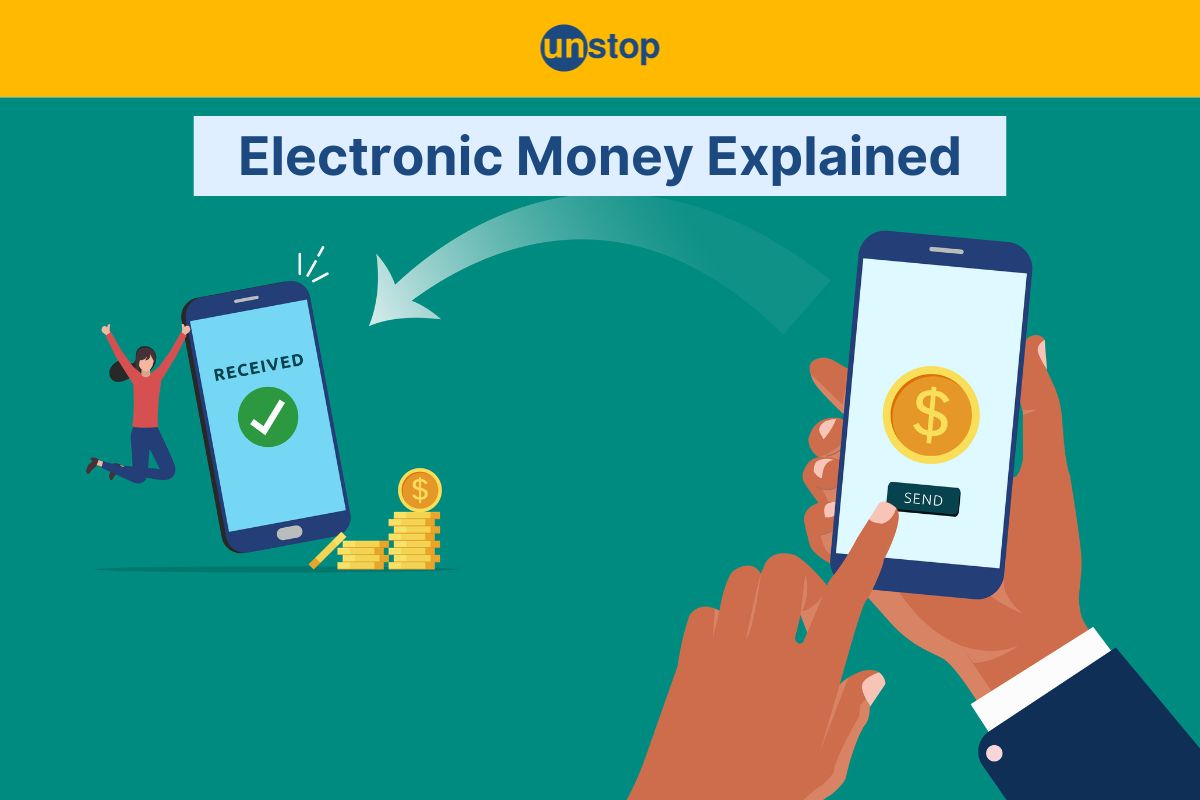
Welcome to a world where physical wallets are becoming a thing of the past, and electronic money is taking center stage. In recent years, electronic forms of currency have been gaining popularity and changing the way we think about money. From online shopping to digital payments, electronic money offers convenience and efficiency like never before. Join us as we explore the rise of electronic money and its modern approach to currency.

History and Evolution of Electronic Money
Electronic money, also known as e-money, digital money, or electronic currency, has a fascinating history dating back to the late 20th century. The concept of electronic money can be traced back to the early 1980s when the development of credit cards and automated teller machines (ATMs) laid the foundation for cashless transactions. However, it wasn’t until the advent of the Internet in the 1990s that electronic money truly began to take off.
One of the first forms of electronic money was the Electronic Fund Transfer (EFT) system, which allowed for the transfer of funds between different financial institutions electronically. This system paved the way for the development of online banking and electronic payment systems, such as PayPal and Venmo, that we use today.
Another significant milestone in the history of electronic money was the introduction of the first cryptocurrencies in the early 2000s. Bitcoin, created in 2009 by an unknown person using the pseudonym Satoshi Nakamoto, was the first decentralized cryptocurrency, revolutionizing the way people think about money and transactions.
As technology continued to advance, so did the evolution of electronic money. Mobile payment systems, such as Apple Pay and Google Wallet, made it even more convenient for people to make purchases without the need for physical cash or cards. The rise of mobile banking apps also allowed users to manage their finances and make transfers on the go.
One of the most recent developments in the world of electronic money is the emergence of blockchain technology. Blockchain, the underlying technology behind cryptocurrencies, has the potential to revolutionize the way financial transactions are conducted by providing a secure and transparent ledger that is resistant to fraud and tampering.
Overall, the history and evolution of electronic money have been shaped by advancements in technology and changing consumer behavior. What started as a way to make simple electronic transfers has now transformed into a global phenomenon that is changing the way we think about and use money. With the continued development of new technologies and the growing acceptance of electronic payments, the future of electronic money looks bright and full of potential.
Types of Electronic Payment Systems
Electronic payment systems have revolutionized the way we conduct transactions in today’s digital age. There are various types of electronic payment systems that cater to different needs and preferences of consumers. Let’s take a closer look at some of the most popular types:
1. Credit Cards: Credit cards are one of the most widely used forms of electronic payment. They allow consumers to make purchases on credit, which can be paid off at a later date. Credit cards are accepted by a wide range of merchants, both online and offline, making them a convenient and versatile payment option.
2. Mobile Wallets: Mobile wallets have gained popularity in recent years, allowing users to store their payment information securely on their smartphones. With mobile wallets, users can make payments in-store, online, and even transfer money to friends and family. Some of the most popular mobile wallets include Apple Pay, Google Pay, and Samsung Pay.
Mobile wallets offer a convenient and secure way to make payments without the need to carry physical cash or cards. They often use encryption and tokenization to protect users’ payment information, making them a safe and reliable payment option.
One of the key benefits of using mobile wallets is the convenience they offer. Users can make payments with just a tap of their smartphone, eliminating the need to carry multiple cards or cash. Additionally, mobile wallets often offer rewards and discounts to users, making them an attractive payment option for many consumers.
Another advantage of mobile wallets is the ability to make contactless payments, which are faster and more hygienic than traditional payment methods. This has become increasingly important in the wake of the COVID-19 pandemic, as consumers seek ways to minimize physical contact with surfaces.
Overall, mobile wallets are a convenient, secure, and innovative form of electronic payment that is likely to continue to grow in popularity in the coming years. As technology continues to advance, we can expect to see even more features and functionalities added to mobile wallets, further enhancing the user experience.
Benefits of Using Electronic Money
Electronic money, also known as e-money, has become increasingly popular in recent years due to the numerous benefits it offers to consumers. From convenience to security, electronic money has revolutionized the way we make payments and manage our finances. In this article, we will explore some of the key benefits of using electronic money.
Convenience
One of the main advantages of using electronic money is the convenience it provides. With electronic money, you can make payments quickly and easily without the need to carry around cash or visit a physical bank. Whether you are shopping online, paying bills, or sending money to friends and family, electronic money allows you to complete transactions with just a few clicks. This convenience is especially beneficial for those with busy lifestyles who don’t have the time to visit a physical bank or ATM.
Accessibility
Another key benefit of electronic money is its accessibility. With electronic money, you can access your funds at any time and from anywhere, as long as you have an internet connection. This means that you can manage your finances on the go, whether you are at home, at work, or traveling. Additionally, electronic money allows you to easily transfer funds between accounts and make payments without the need for physical cash or checks.
Security
One of the most important advantages of using electronic money is the enhanced security it provides. With electronic money, you can protect your funds from theft, loss, or fraud by using secure payment methods and encryption technology. Unlike physical cash, which can be easily lost or stolen, electronic money is stored electronically and can only be accessed by authorized users. Additionally, electronic money transactions are often monitored and protected by advanced security measures to prevent unauthorized access or fraudulent activity.
In conclusion, electronic money offers a wide range of benefits to consumers, including convenience, accessibility, and security. By using electronic money, you can simplify your financial transactions, manage your finances more efficiently, and protect your funds from theft or fraud. Whether you are making online purchases, paying bills, or transferring funds, electronic money provides a safe and convenient way to handle your financial transactions.
Security and Fraud Prevention in Electronic Transactions
In today’s digital age, electronic money has become a popular choice for consumers when making transactions. With the convenience of online shopping and electronic transfers, it’s important to prioritize the security of these transactions to prevent fraud and protect sensitive information.
One of the key ways to ensure security in electronic transactions is through encryption. Encryption involves encoding information in such a way that only authorized parties can access it. This can help prevent hackers from intercepting sensitive data during transactions, such as credit card numbers or personal information. By using encryption technologies, businesses can create a secure environment for their customers to make payments without risking their personal information.
Another important aspect of security in electronic transactions is the use of secure payment gateways. Payment gateways act as a middleman between the customer’s payment information and the merchant, ensuring that sensitive data is transmitted securely. By working with reputable payment gateways that comply with industry security standards, businesses can minimize the risk of data breaches and fraudulent activities.
In addition to encryption and secure payment gateways, implementing multi-factor authentication can add an extra layer of security to electronic transactions. Multi-factor authentication requires users to provide two or more forms of verification before accessing their accounts or making payments. This can help prevent unauthorized access to accounts even if a password is compromised, reducing the risk of fraudulent transactions.
Regularly monitoring transactions and identifying suspicious activities is also essential in preventing fraud in electronic transactions. By keeping a close eye on transaction histories and looking out for any unauthorized or unusual activities, businesses can quickly detect and respond to potential threats. In some cases, they may even be able to stop fraudulent transactions before they are completed, protecting both the business and its customers from financial losses.
Lastly, educating customers about safe online practices and how to protect their personal information can help prevent fraud in electronic transactions. By providing tips on creating strong passwords, avoiding phishing scams, and using secure payment methods, businesses can empower their customers to make informed decisions when conducting transactions online. This can ultimately lead to a safer and more secure environment for electronic money transactions.
In conclusion, prioritizing security and fraud prevention in electronic transactions is crucial to maintaining trust and confidence among customers. By implementing encryption technologies, secure payment gateways, multi-factor authentication, transaction monitoring, and customer education, businesses can create a secure environment for electronic money transactions and protect sensitive information from fraudsters. By taking these proactive measures, businesses can safeguard their reputation and ensure the safety of their customers in an increasingly digital world.
Future Trends in Electronic Money Technology
As technology continues to advance at a rapid pace, the future of electronic money seems to hold exciting possibilities. Here are some key trends to keep an eye on:
1. Contactless Payments: One of the biggest trends in electronic money technology is the rise of contactless payments. With the increasing popularity of mobile wallets and contactless cards, more and more consumers are opting for the convenience of tap-and-go transactions. This trend is likely to continue as businesses and consumers alike seek faster, more secure payment options.
2. Biometric Authentication: Another important trend in electronic money technology is the shift towards biometric authentication methods. From fingerprint sensors to facial recognition technology, biometrics offer a more secure and user-friendly way to authorize electronic transactions. As this technology becomes more widespread, we can expect to see a decrease in traditional password-based authentication methods.
3. Cryptocurrencies: Cryptocurrencies have been a hot topic in the world of electronic money, with the rise of Bitcoin and other digital currencies capturing the interest of investors and consumers alike. While there is still much debate about the future of cryptocurrencies, it is clear that they will continue to play a significant role in electronic money technology. As blockchain technology matures, we may see more businesses and consumers adopting cryptocurrencies for everyday transactions.
4. Artificial Intelligence: Artificial intelligence is also making its mark on electronic money technology, with the use of AI-driven algorithms for fraud detection and personalized financial recommendations. AI-powered chatbots are becoming increasingly common in customer service, providing users with instant assistance and support. As AI technology continues to evolve, we can expect to see even more innovative applications in the field of electronic money.
5. Internet of Things (IoT): One of the most exciting future trends in electronic money technology is the integration of electronic payments with the Internet of Things (IoT). With the growing number of connected devices, from smart home appliances to wearable technology, the potential for seamless, automated payments is immense. Imagine a scenario where your smart refrigerator orders groceries and pays for them automatically, or your wearable device authorizes payments with just a tap. The possibilities are endless, and the convenience for consumers is unmatched.
Overall, the future of electronic money technology is bright, with innovative trends such as contactless payments, biometric authentication, cryptocurrencies, artificial intelligence, and IoT shaping the way we transact in the digital age. Keeping an eye on these trends will be key for businesses and consumers looking to stay ahead in the ever-evolving world of electronic money.
Originally posted 2026-04-29 19:25:04.