Factors Affecting CGL ELEKTRONIK Premiums Explained


As a business owner in the electronics sector, you know that managing expenses is crucial for success. When you receive a quote for insurance, the final number can sometimes feel arbitrary. However, the price you pay is the result of a detailed risk assessment by an underwriter. Understanding the core factors affecting your Commercial General Liability ELEKTRONIK premiums is the first step toward gaining control over this essential business cost.
Commercial General Liability (CGL) ELEKTRONIK protects your business from financial loss if you are held liable for bodily injury, property damage, or advertising injury. The premium is simply the price of transferring that risk to an insurer. It’s not a one-size-fits-all figure; it’s a tailored price based on your unique operational footprint.
This comprehensive guide will demystify the underwriting process. We will explore how your industry, operations, claims history, and policy choices directly influence your rates. By the end, you’ll be equipped with the knowledge to not only understand your premium but also to take actionable steps to manage and potentially reduce it.
Industry and Business Operations: Your Core Risk Profile
The very nature of your business forms the foundation of your insurance premium. Underwriters begin by assessing the inherent risks associated with your specific industry and the scope of your daily activities. This baseline evaluation sets the stage for all other pricing considerations.
A company that designs microchips in a lab faces a vastly different risk landscape than a retail store selling consumer electronics, which in turn has different exposures than a firm that installs complex A/V systems in commercial buildings. Each has unique potential for third-party injury or property damage.
How Your Industry Classification Impacts Rates
Insurers classify businesses using standardized codes like the North American Industry Classification System (NAICS). Certain codes are statistically proven to have a higher frequency or severity of claims. For example, an electronics manufacturer using heavy machinery and chemicals will be considered higher risk than a remote software development consultancy.
Your classification determines your base rate. If your industry involves significant public interaction, physical installation, or manufacturing processes, insurers anticipate a greater likelihood of claims, leading to a higher starting premium. It’s vital to ensure your business is classified correctly to avoid overpaying or being underinsured.
The Scope of Your Day-to-Day Operations
Beyond your industry title, underwriters scrutinize what your employees actually do. Do you have a retail storefront with heavy foot traffic? This increases the risk of slip-and-fall incidents. Do your technicians visit client homes or offices to perform installations or repairs? This creates exposure to accidental property damage.
The more interaction your business has with the public and their property, the higher the perceived risk. An online-only electronics component reseller has a much lower operational risk profile than a large-scale event company that sets up and manages extensive lighting and sound equipment.
Geographic Location and Its Influence
Where you operate matters significantly. Insurance is regulated at the state level, so regulations and minimum coverage requirements can vary. Furthermore, some regions are known for being more litigious, meaning lawsuits are more common and jury awards are higher. This “legal climate” directly impacts premiums.
Even your specific zip code can make a difference. Local factors like weather patterns (e.g., areas prone to ice, increasing slip-and-fall risk), crime rates, and the quality of local emergency services can be factored into your final rate. A business in a dense urban center might pay more than a similar business in a quiet suburban area.
Your Business’s Track Record and Size
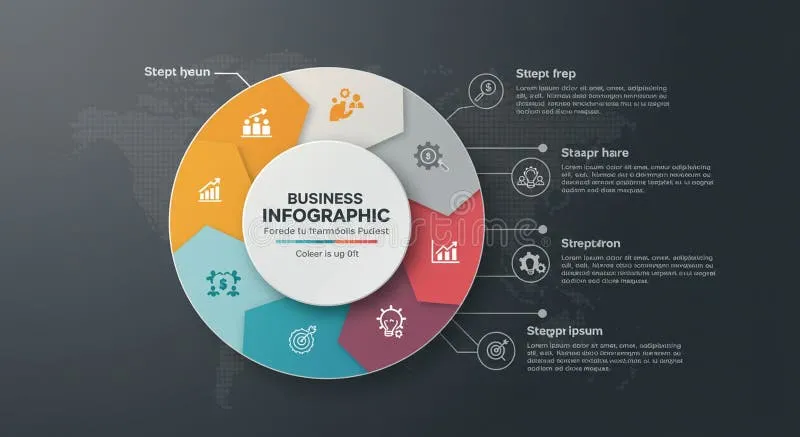
While your industry sets the baseline, your company’s specific history and scale provide the next layer of detail for underwriters. A proven track record of safety and stability can be a powerful asset, while a history of incidents can signal future risk. Insurers look at your past to predict your future.
Two electronics companies in the same industry and location could receive vastly different quotes based on their claims history and overall size. These elements demonstrate how well you manage your inherent risks and the total amount of exposure your business represents.
The Critical Role of Your Claims History
Your loss history is one of the most influential premium factors. If your business has filed numerous CGL claims in the past, an underwriter will view you as a higher risk. It’s not just the frequency of claims that matters, but also the severity. One very large liability claim can be more impactful than several minor ones.
A clean claims record for three to five years is a strong indicator of a well-run, safety-conscious organization. This can lead to significant premium credits. Conversely, a poor history will lead to higher rates, and in some cases, can even make it difficult to find coverage at all.
Business Size: Revenue and Payroll
The size of your business, typically measured by your annual gross revenue and total employee payroll, is a direct measure of your exposure. Higher revenue suggests more business activity and, from an insurer’s perspective, more potential for something to go wrong. It also means there’s more at stake in a potential lawsuit.
Similarly, a larger payroll often correlates with more employees and more business operations, increasing the chances of an incident occurring. More employees interacting with clients or the public simply creates more opportunities for a liability event, which is why payroll is a key rating factor for CGL ELEKTRONIK.
Years in Business and Established Safety Protocols
Longevity can be a positive signal to insurers. A business that has been operating successfully for many years is often seen as more stable and experienced in managing its risks. New ventures, while not uninsurable, lack a track record, making them a slightly less predictable risk.
More important than just age, however, is a demonstrated commitment to safety. Having documented safety protocols, regular employee training, and a formal risk management plan can have a major positive impact. This shows underwriters that you are proactive about preventing the very claims they are insuring against.
Policy Details: How Your Coverage Choices Shape Costs
The final major piece of the premium puzzle is the insurance policy itself. The amount of coverage you buy and how the policy is structured will directly affect the price you pay. Choosing the right limits and deductibles is a balancing act between adequate protection and budget management.
Think of it like buying a car; the base model has a certain price, but adding premium features and a better warranty will increase the total cost. Your insurance policy works the same way. These are some of the most important factors affecting your Commercial General Liability ELEKTRONIK premiums that are directly within your control.
Understanding Your Coverage Limits
Your CGL policy will have two key limits: the per-occurrence limit and the general aggregate limit. The per-occurrence limit is the maximum amount the insurer will pay for a single incident, while the aggregate limit is the total maximum they will pay for all claims during the policy period (usually one year).
Higher limits offer greater protection but come at a higher cost. A small business might start with a $1 million per-occurrence / $2 million aggregate limit, but a larger company or one with high-risk contracts may need significantly more. Properly choosing the right CGL ELEKTRONIK limits and deductibles for your small business is essential to ensure you are neither underinsured nor overpaying.
The Impact of Deductibles on Your Premium
The deductible is the amount of money you agree to pay out-of-pocket on a covered claim before the insurance company begins to pay. There is an inverse relationship between your deductible and your premium: a higher deductible will result in a lower premium.
By choosing a higher deductible, you are agreeing to take on a larger portion of the initial risk yourself. This reduces the insurer’s potential payout, and they pass those savings on to you. However, you must be sure that you can comfortably afford to pay the deductible you choose in the event of a claim.
Policy Endorsements and Exclusions
A standard CGL policy covers a wide range of risks, but it doesn’t cover everything. You can add coverage for specific risks through endorsements, which are add-ons to your policy. For example, you might add an endorsement for liquor liability if you host company events where alcohol is served.
Each endorsement that broadens your coverage will typically add to your premium. Conversely, your policy will also have exclusions—things it specifically does not cover. Understanding both is critical to ensuring you have no unexpected gaps in your protection.
Comparing Key Premium Factors at a Glance
To help visualize how these different elements come together, the table below summarizes the key drivers of your CGL premium. Understanding their relative impact can help you focus your risk management efforts where they will be most effective.
| Factor | Impact on Premium | Why it Matters | How to Mitigate |
|---|---|---|---|
| Industry Risk (e.g., Manufacturing vs. Consulting) | High | Sets the baseline risk level based on historical data for your sector. | Ensure accurate business classification. Emphasize safety measures that make you an outlier in your industry. |
| Claims History | High | Past claims are the strongest predictor of future claims. A clean record proves you manage risk well. | Implement robust safety programs. Have clear incident reporting and investigation procedures. |
| Coverage Limits | Medium to High | Higher limits mean the insurer takes on more potential financial responsibility. | Assess your contractual needs and realistic risk exposure. Don’t buy more coverage than you need. |
| Business Location | Medium | State laws, legal climate, and local hazards (weather, crime) influence claim likelihood and cost. | While you can’t move your business easily, you can implement location-specific safety measures (e.g., enhanced security, de-icing protocols). |
| Safety Programs | Medium (Discount) | Proactively preventing losses makes you a more attractive risk to insurers. | Document all safety training, procedures, and regular equipment maintenance. Present this to your insurer. |
Pro Tips to Lower Your Commercial General Liability ELEKTRONIK Premiums
Understanding the factors is the first step; taking action is the next. You have more power to influence your insurance costs than you might think. Here are some practical, actionable tips to help you secure better rates on your CGL ELEKTRONIK coverage.
- Implement a Formal Safety Program: Don’t just practice safety, document it. Create a written safety manual, conduct regular employee training sessions, and keep records of all safety activities. A documented program is tangible proof to an underwriter that you are a low-risk business.
- Maintain a Safe Workplace: Regularly inspect your premises for potential hazards like uneven flooring, poor lighting, or unsecured wiring. For electronics businesses, this also includes proper handling and storage of components and ensuring a safe environment for any visiting clients.
- Improve Your Security: Good security measures, such as surveillance cameras, secure access controls, and adequate lighting, can deter theft and vandalism. This reduces the risk of property damage claims and can demonstrate responsible management to your insurer.
- Review and Optimize Your Coverage Annually: Your business is not static, and neither are your insurance needs. Review your policy every year with your agent to ensure your coverage limits, payroll, and revenue figures are accurate. You may find you’re paying for coverage you no longer need.
- Bundle Your Policies: Most insurers offer discounts for purchasing multiple policies from them, such as CGL, commercial property, and commercial auto. Bundling can often lead to significant savings on your overall insurance costs.
- Choose a Higher Deductible: If your business has a healthy cash flow and can comfortably cover a larger out-of-pocket expense, consider raising your deductible. This can lead to an immediate reduction in your premium.
- Work with an Independent Insurance Agent: An independent agent who specializes in commercial ELEKTRONIK can be an invaluable partner. They represent multiple insurance carriers and can shop the market on your behalf to find the best combination of coverage and price for your specific needs.
Frequently Asked Questions about Factors Affecting Your Commercial General Liability ELEKTRONIK Premiums
What is the single biggest factor affecting my CGL premium?
While all factors are important, your industry classification and your specific business operations are typically the most significant. They establish the fundamental level of risk your business presents before any other variables are considered.
Will one small claim dramatically increase my premium?
Not necessarily. Insurers are more concerned with patterns of frequency and severity. A single, small, isolated claim is unlikely to have a dramatic impact, especially if you have a long history of being claim-free. Multiple claims in a short period are a much bigger red flag.
How does my business location affect my rates so much?
Your location impacts rates due to varying state regulations, the local legal environment (how often people sue), and area-specific risks like weather or crime. An area with a history of high-cost liability lawsuits will have higher base rates for all businesses located there.
Can I get a discount for having a good safety record?
Absolutely. Many insurers offer “loss-free” or “claims-free” credits for businesses that have gone a certain number of years without a claim. A documented safety program can also lead to additional discounts as it shows you are a proactive risk.
Is it cheaper to have a higher deductible?
Yes, raising your deductible will almost always lower your premium. By accepting more of the initial risk yourself, you reduce the insurer’s potential payout, and they reward you with a lower rate. Just be sure you can afford the deductible you choose.
Why did my premium go up if I had no claims?
Premiums can increase even without claims due to industry-wide trends, inflation in medical and repair costs, or changes in the legal climate in your area. These external factors can cause insurers to adjust their overall rates for your business class.
Does the number of employees I have impact my CGL premium?
Yes, your employee count, reflected in your total payroll, is a key rating factor. More employees generally mean more business activity and more potential interactions that could lead to a liability claim, so it’s considered a measure of your overall exposure.
How often should I review the factors affecting my Commercial General Liability ELEKTRONIK premiums?
You should review these factors with your insurance agent at least once a year, typically 60-90 days before your policy renewal. It’s also wise to check in mid-policy if you have a significant change, such as opening a new location or launching a new product line.
Where can I find out more about the average cost?
While costs vary widely, you can get a better understanding of what to expect by reviewing detailed cost analyses. For more information, see our guide on How Much Does Commercial General Liability ELEKTRONIK Cost in 2026?
What are the best CGL ELEKTRONIK options for new businesses?
New businesses have unique needs, and several insurers specialize in providing coverage for them. To explore your options, we recommend reading our breakdown of the Top 10 Best Commercial General Liability ELEKTRONIK for Small Businesses in 2026.
Taking Control of Your Insurance Costs
Your Commercial General Liability ELEKTRONIK premium is not a random number; it’s a carefully calculated assessment of your business’s unique risk profile. By understanding the primary drivers—from your industry and location to your claims history and policy limits—you move from being a passive price-taker to an active manager of your insurance costs. These diverse factors affecting your Commercial General Liability ELEKTRONIK premiums are levers you can pull to build a safer, more insurable business.
The key takeaway is that proactive risk management is your most powerful tool for controlling premiums. Implementing robust safety protocols, maintaining a clean claims history, and working closely with an insurance professional to tailor your coverage are the cornerstones of a smart insurance strategy. This approach not only helps lower your costs but also creates a safer environment for your employees, your customers, and the long-term health of your business.
Originally posted 2026-05-03 00:50:38.