Electronic Prescription
The Benefits of Electronic Prescription
Electronic prescriptions offer a wide range of benefits for both healthcare providers and patients. One of the key advantages is the improved accuracy and efficiency in prescribing medications. With traditional paper prescriptions, there is a higher likelihood of errors due to illegible handwriting or incorrect dosages. Electronic prescriptions help to eliminate these errors by ensuring that the medication details are typed out clearly and accurately. This not only reduces the risk of medication errors but also enhances patient safety.
Furthermore, electronic prescriptions make the process of prescribing medication more streamlined and efficient. Healthcare providers can easily access a patient’s medication history, allergies, and other relevant information at the click of a button. This saves time for both healthcare providers and patients, as there is no longer a need to manually review paper files or contact pharmacies for prescription refills. Patients can also benefit from quicker access to their medications, as electronic prescriptions can be sent directly to the pharmacy for fulfillment.
Another significant advantage of electronic prescriptions is the improved communication between healthcare providers and pharmacies. With electronic prescriptions, there is a direct and secure way to transfer prescription information, reducing the likelihood of errors or misunderstandings. Pharmacists can easily access the electronic prescription and verify the accuracy of the medication details, dosages, and instructions. This facilitates a smoother overall process for all parties involved and helps to ensure that patients receive the correct medications in a timely manner.

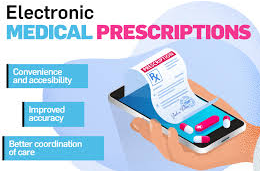
Electronic prescriptions also offer added convenience for patients. Instead of having to physically pick up a paper prescription from the healthcare provider and then take it to the pharmacy, patients can have their medications sent directly to the pharmacy electronically. This not only saves time and eliminates the risk of losing paper prescriptions but also allows for easier access to medication refills. Patients can simply request a refill online or through their healthcare provider without the need for an additional visit.
Overall, electronic prescriptions provide numerous benefits in terms of accuracy, efficiency, communication, and convenience. By eliminating the potential for errors, streamlining the prescribing process, facilitating better communication between healthcare providers and pharmacies, and offering added convenience for patients, electronic prescriptions are a valuable tool in modern healthcare delivery. As technology continues to advance, electronic prescriptions will likely play an increasingly important role in improving patient outcomes and enhancing the overall quality of care.
How Electronic Prescription Works
Electronic prescriptions, also known as e-prescriptions, are digital prescriptions that are sent directly from a healthcare provider to a pharmacy electronically. This modern method of prescribing medication eliminates the need for paper prescriptions and allows for a more efficient and accurate process. Here’s how electronic prescription works:
When a patient visits a healthcare provider, the provider enters the necessary information into their electronic health record (EHR) system. This includes details such as the patient’s medical history, current medications, and any allergies or contraindications. Based on this information, the provider will then decide on the appropriate medication and dosage for the patient.
Once the prescription is entered into the EHR system, the provider can electronically send the prescription to the patient’s chosen pharmacy. This process is quick and seamless, as the prescription is transmitted instantly without the need for paper or fax machines. The pharmacy will receive the prescription electronically and can begin preparing the medication for the patient.
Patients can also benefit from electronic prescriptions by having their medication history stored in one centralized system. This reduces the risk of medication errors due to illegible handwriting or incomplete information. Additionally, patients can easily access their prescription information online and have it sent to different pharmacies if needed.
Pharmacists also benefit from electronic prescriptions as they can receive accurate and detailed information about the patient’s medication needs. This helps pharmacists to ensure that the correct medication is dispensed, reducing the risk of errors. Pharmacists can also communicate with healthcare providers electronically if there are any questions or concerns about the prescription.
Electronic prescriptions can also improve medication adherence among patients. With electronic reminders and refill notifications, patients are more likely to stick to their medication regimen. This can lead to better health outcomes and reduced healthcare costs in the long run.
In addition to improving communication between healthcare providers and pharmacies, electronic prescriptions also help to prevent prescription drug abuse. With electronic tracking of prescriptions, providers and pharmacists can monitor patient’s medication usage and identify any potential issues or misuse.
In conclusion, electronic prescriptions offer a more efficient and accurate way to prescribe and dispense medications. By eliminating paper-based prescriptions and streamlining the process, electronic prescriptions benefit both patients and healthcare providers. With the increasing adoption of electronic health record systems, electronic prescriptions are becoming the norm in modern healthcare practice.
Comparing Electronic and Paper Prescriptions
When it comes to comparing electronic prescriptions with traditional paper prescriptions, there are several key factors to consider. Electronic prescriptions, also known as e-prescriptions, are becoming more popular in the healthcare industry due to their convenience and efficiency. Here, we will delve into the main differences between electronic and paper prescriptions.
One of the main advantages of electronic prescriptions is their speed and accuracy. With electronic prescriptions, healthcare providers can quickly send the prescription to the pharmacy directly from their electronic health record system. This eliminates the need for patients to physically take a paper prescription to the pharmacy, saving time and reducing the risk of errors.
Additionally, electronic prescriptions are often more secure than paper prescriptions. Electronic systems have built-in security features to protect patient information and prevent unauthorized access. This can help reduce the risk of prescription fraud and ensure that patients receive the correct medication.
Electronic prescriptions also offer better tracking and monitoring capabilities compared to paper prescriptions. Healthcare providers can easily access a patient’s electronic prescription history, including the medications prescribed, dosages, and refill information. This can help prevent medication errors and ensure that patients are receiving the appropriate treatment.
On the other hand, paper prescriptions have their own set of advantages. Some patients may prefer paper prescriptions because they are familiar with the traditional process of receiving a physical prescription from their healthcare provider. Paper prescriptions also offer a sense of control for patients, as they physically hold the prescription and can choose when and where to fill it.
However, paper prescriptions are more prone to errors and inconsistencies compared to electronic prescriptions. Handwriting errors, miscommunications, and lost or misplaced paper prescriptions can lead to delays in medication dispensing and potentially harm the patient’s health.
In conclusion, while paper prescriptions have their own benefits, electronic prescriptions offer a more efficient, secure, and accurate way of prescribing medications. The transition to electronic prescriptions is gaining momentum in the healthcare industry, with many healthcare providers and pharmacies adopting electronic systems to streamline the prescription process and improve patient care.
The Future of Electronic Prescription Technology
Electronic Prescription Technology is rapidly evolving, and the future holds exciting advancements in store. With continued developments in digital healthcare, electronic prescriptions are expected to become even more streamlined, efficient, and accessible for both healthcare providers and patients.
One of the key features of the future of electronic prescription technology is the integration of artificial intelligence (AI) and machine learning algorithms. These technologies will help to improve the accuracy and efficiency of prescribing medications by analyzing patient data, medical history, and drug interactions. AI-powered systems can also provide real-time alerts and recommendations to healthcare providers, ensuring safer and more effective prescribing practices.
Another area of focus for the future of electronic prescription technology is interoperability. As healthcare systems become more interconnected, electronic prescriptions will need to seamlessly integrate with electronic health records (EHRs), pharmacy systems, and other digital platforms. This will streamline the prescription process, reduce errors, and improve communication between healthcare providers and pharmacists.
In addition to AI and interoperability, the future of electronic prescription technology will likely see the widespread adoption of mobile prescribing solutions. With the increasing use of smartphones and mobile devices, healthcare providers are turning to mobile apps and platforms to prescribe medications quickly and securely. These mobile solutions offer convenience, flexibility, and improved accessibility for both providers and patients.
Furthermore, the future of electronic prescription technology may also involve the use of blockchain technology to enhance security and privacy. Blockchain can provide a secure and transparent way to store and transfer prescription data, ensuring that patient information is protected and tamper-proof. By leveraging blockchain technology, electronic prescriptions can offer increased data security and integrity, reducing the risk of fraud and unauthorized access.
As electronic prescription technology continues to advance, it is essential for healthcare providers, policymakers, and technology developers to collaborate and innovate to make electronic prescribing more efficient, secure, and user-friendly. By embracing new technologies and fostering a culture of innovation, the future of electronic prescription technology holds great promise for improving patient care and streamlining the healthcare system.
Ensuring the Security and Privacy of Electronic Prescription Data
Electronic prescriptions have become increasingly popular in the healthcare industry due to their convenience and efficiency. However, with this shift towards digital prescribing comes the important responsibility of ensuring the security and privacy of electronic prescription data. Patients trust healthcare providers with sensitive information about their health, and it is crucial that this data is protected from unauthorized access or breaches.
There are several measures that can be taken to ensure the security and privacy of electronic prescription data. One of the most important steps is to implement robust access controls. This means limiting who has access to electronic prescription data and ensuring that only authorized personnel can view or modify this information. By restricting access to those who have a legitimate need for it, the risk of data breaches can be significantly reduced.
Another key component of securing electronic prescription data is encryption. Encryption involves encoding data in such a way that only authorized parties can access it. By encrypting electronic prescription data, healthcare providers can add an extra layer of protection against unauthorized access. This can help prevent sensitive information from being intercepted or stolen during transmission.
Regular audits and monitoring are also essential for maintaining the security and privacy of electronic prescription data. Healthcare organizations should conduct regular audits to identify any potential security vulnerabilities or breaches. By monitoring access logs and system activity, they can quickly detect and respond to any suspicious behavior that may indicate a security threat.
Training and education are crucial for ensuring the security and privacy of electronic prescription data. Healthcare providers and staff should receive training on best practices for handling electronic prescriptions and how to identify and respond to security threats. By educating employees on the importance of data security and privacy, healthcare organizations can help prevent unintentional data breaches.
Lastly, implementing strong authentication measures can further enhance the security of electronic prescription data. This may include requiring multi-factor authentication for accessing electronic prescription systems or using biometric authentication methods, such as fingerprint or facial recognition. By requiring additional verification steps beyond just a password, healthcare providers can reduce the risk of unauthorized access to sensitive data.
In conclusion, ensuring the security and privacy of electronic prescription data is essential for maintaining patient trust and protecting sensitive information. By implementing robust access controls, encryption, regular audits, training, and strong authentication measures, healthcare organizations can help safeguard electronic prescription data from potential security threats and breaches. By prioritizing data security and privacy, healthcare providers can continue to leverage the benefits of electronic prescriptions while maintaining the trust and confidence of their patients.
Originally posted 2026-05-26 06:41:24.