What is CGL & Why Your Small Business Needs It in 2026

I’ve sat across the table from hundreds of small business owners over the last 15 years, and the story often starts the same. They have a brilliant idea, a passion for their craft, and the drive to build something from nothing. But in the whirlwind of developing products, finding customers, and managing cash flow, a crucial foundational piece is often overlooked: robust liability protection. It’s not the most glamorous part of entrepreneurship, but it’s the one that can determine whether you survive an unexpected catastrophe.
Many entrepreneurs hear “insurance” and think of it as just another expense. In my experience, that’s a dangerous mindset. We need to reframe this. This isn’t just an expense; it’s the bedrock of your company’s resilience. This article will break down exactly what is Commercial General Liability (CGL) and why your small business needs it in 2026, moving beyond dry definitions to give you the practical, field-tested insights you need to protect your dream.
We’ll explore the core coverages, how these policies actually function when a claim is filed, and the evolving risks in the 2026 business landscape that make this coverage more critical than ever. This isn’t just about avoiding lawsuits; it’s about building a sustainable, defensible business that can weather any storm. Even if you’re not in a high-risk industry, understanding your liability is a cornerstone of smart business management, much like creating an efficient home is for homeowners, as detailed in The Ultimate Guide to Building an Energy-Efficient Smart Home Ecosystem in 2026.
Understanding the Core of CGL Insurance
Let’s get one thing straight: Commercial General Liability insurance isn’t just “slip-and-fall” coverage. That’s a massive oversimplification I see all the time. A well-structured CGL policy is a multi-faceted shield designed to protect your business from claims of third-party bodily injury, property damage, and personal or advertising injury that arise from your operations.
Think of it as your business’s first line of defense against the everyday risks of interacting with the public. From a customer tripping on your doorstep to an employee accidentally damaging a client’s property, CGL is designed to cover the legal fees, settlements, and medical costs associated with these incidents.
Beyond Slip-and-Falls: Bodily Injury and Property Damage
This is the most understood component, but the scenarios are broader than people imagine. Bodily Injury (BI) coverage applies if someone other than an employee is injured on your premises or as a result of your business operations. This could be a client, a vendor, or just a passerby. Property Damage (PD) coverage is for damage you or your employees cause to someone else’s property.
A common hurdle I’ve seen in the field is with contractors. For instance, a landscaping company I consulted with had an employee accidentally shatter a large, expensive window at a client’s home with a rock thrown from a mower. Their CGL policy covered the replacement cost, which was nearly five figures. Without it, that single mistake would have wiped out their profit for the month.
The Hidden Dangers: Personal and Advertising Injury
This is where many new business owners get tripped up. This coverage is less about physical harm and more about reputational and intangible damages. “Personal and Advertising Injury” covers offenses like libel, slander, copyright infringement in your advertising, malicious prosecution, or wrongful eviction.
In today’s digital world, this is critically important. Imagine a marketing employee uses a copyrighted image in a social media campaign without permission. The owner of that image could sue for a significant sum. A CGL policy with advertising injury coverage is designed to handle the legal defense and potential settlement for that exact scenario. It’s a modern-day necessity for any business with a public-facing brand.
Author’s Expert Note: The lines between advertising injury and professional errors can sometimes blur, especially for service-based businesses. It’s crucial to understand that CGL does *not* cover professional negligence (that’s for Errors & Omissions insurance). This distinction is a frequent point of confusion and can lead to dangerous coverage gaps if not addressed with a broker.
Products-Completed Operations Coverage
What happens if your work causes injury or damage *after* the job is done and you’ve left the site? That’s where Products-Completed Operations coverage comes in. This is a vital component of CGL that protects your business from liability claims arising from your products or your finished work.
I worked with a small bakery that faced a lawsuit when a customer claimed a severe allergic reaction was caused by an undeclared ingredient in a cake they sold. The incident happened days after the purchase. Their Products-Completed Operations coverage handled the legal defense, which was invaluable even though the claim was eventually found to be unsubstantiated. For any business that sells a product or provides a service that could cause harm later, this coverage is non-negotiable.
How CGL Policies Actually Work: A Practitioner’s Breakdown
Understanding the types of coverage is only half the battle. To truly grasp what is Commercial General Liability (CGL) and why your small business needs it in 2026, you must understand the mechanics of the policy itself. From my experience, the policy’s structure and its trigger mechanism are where the most costly mistakes are made.
A CGL policy is a complex legal contract. The way it responds to a claim is governed by specific language around timing, financial limits, and the insurer’s obligations. Getting this wrong can mean the difference between a covered claim and a business-ending out-of-pocket expense.
Occurrence vs. Claims-Made Policies: A Critical Distinction
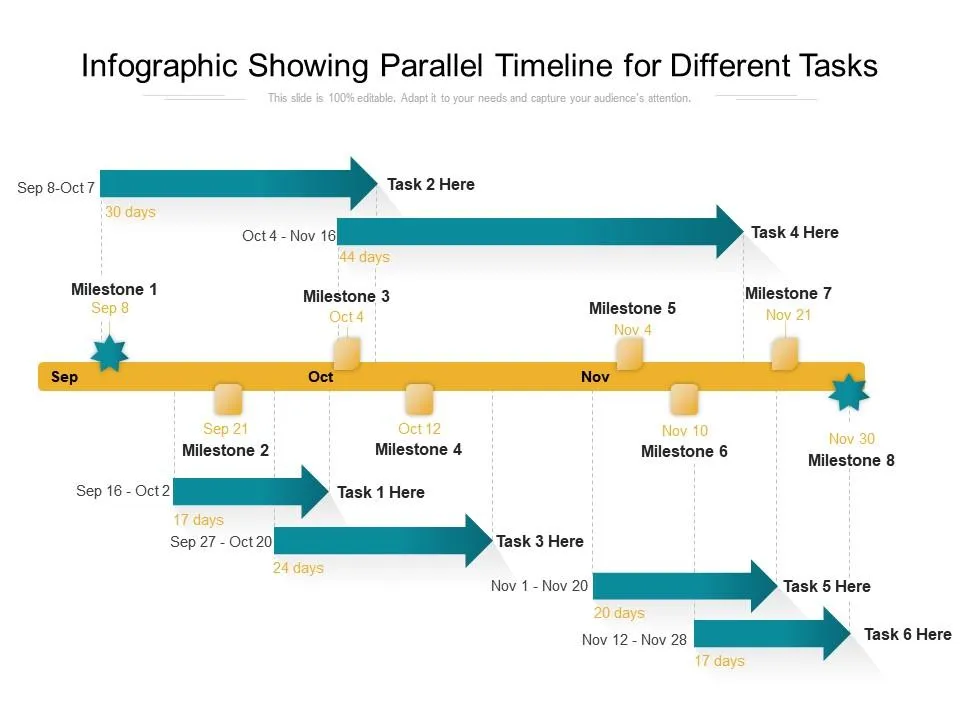
This is arguably the most critical technical detail to understand. A CGL policy is typically written on an “occurrence” basis. This means the policy that is in effect *at the time the incident occurred* is the one that responds to the claim, regardless of when the claim is actually filed. This provides long-term protection for your completed work.
The alternative is a “claims-made” policy, more common in professional liability. This type of policy only covers claims that are made and reported *during the policy period*. If you cancel a claims-made policy, you lose coverage for any past incidents that have not yet resulted in a claim, unless you purchase expensive “tail coverage.” For most small businesses needing general liability, an occurrence-form policy is the industry standard and far superior for long-term security.
Warning/Caution: Never switch from an occurrence policy to a claims-made policy (or vice versa) without consulting an expert insurance advisor. Doing so can create a significant, uninsured gap in your liability coverage for all your past work. I have seen this mistake lead to financial ruin.
Decoding Your Policy Limits: Per-Occurrence vs. Aggregate
Your policy won’t pay out an infinite amount. It has defined limits. You’ll typically see two key figures: the “per-occurrence limit” and the “general aggregate limit.”
- Per-Occurrence Limit: This is the maximum amount the insurer will pay for any single incident or claim. A common limit for small businesses is $1,000,000.
- General Aggregate Limit: This is the absolute maximum the insurer will pay out in total for all claims during your policy period (usually one year). This is often double the per-occurrence limit, so a typical policy might be structured as $1M per occurrence / $2M general aggregate.
It’s crucial to select limits that are appropriate for your level of risk and any contractual requirements you may have. Undervaluing your risk here to save a few dollars on the premium is a classic example of being “penny wise and pound foolish.”
The Duty to Defend: More Than Just a Payout
One of the most valuable—and often underestimated—features of a CGL policy is the insurer’s “duty to defend.” This means that if a covered claim is brought against you, the insurance company has a legal obligation to hire and pay for attorneys to defend your business. This applies even if the lawsuit is frivolous or without merit.
In my consulting, I emphasize this point heavily. The cost of a legal defense alone can easily run into the tens or even hundreds of thousands of dollars, long before any settlement or judgment is paid. The duty to defend can save your business from bankruptcy from legal fees alone, making it a powerful and essential part of your CGL coverage.
Why CGL is Non-Negotiable for Small Businesses in 2026
The business landscape is not what it was five or ten years ago. The risks are more complex, societal expectations are higher, and the financial consequences of a mistake are steeper. As we look toward 2026, several trends are converging to make CGL not just a good idea, but an absolute necessity for survival and growth.
A common objection I hear from early-stage founders is, “I’m just a small operation, I don’t have enough assets to be a target.” This is a fundamental misunderstanding of how liability works. A lawsuit can be filed against anyone, and without insurance, the costs to defend yourself could come from your future earnings and even your personal assets.
The Rising Tide of Litigation and Social Inflation
We are living in an increasingly litigious society. Juries are awarding larger and larger settlements in liability cases, a trend the insurance industry calls “social inflation.” What might have been a $50,000 claim a decade ago could be a $500,000 claim in 2026. This is driven by changing public sentiment, an increase in attorney advertising, and a general desensitization to large monetary figures.
For a small business, a single, unexpectedly large judgment could be an extinction-level event. A CGL policy transfers this catastrophic financial risk from your balance sheet to the insurance company’s, allowing you to operate with confidence. Understanding all the moving parts is key, and you can learn more by Breaking Down CGL Policy Components: What Does General Liability Insurance Cover?.
Contractual Requirements: The Gatekeeper to Growth
One of the most practical reasons to have CGL is that you simply won’t be able to do business without it. In my experience, this is the trigger that gets most businesses to finally purchase a policy. Want to lease a commercial office or retail space? The landlord will require you to show a Certificate of Insurance (COI) listing them as an additional insured.
Want to land a significant contract with a larger company or a government entity? They will mandate specific CGL coverage limits in the master service agreement. Without the ability to produce a valid COI, you are locked out of major growth opportunities. CGL is no longer optional; it’s the price of admission to the professional business world.

Protecting Your Personal Assets from Business Liabilities
If you operate as a sole proprietor or a partnership, there is no legal distinction between your business assets and your personal assets. A lawsuit against your business is a lawsuit against you personally. Your house, car, and personal savings are all at risk.
While forming an LLC or corporation provides a crucial layer of separation (the “corporate veil”), a CGL policy is the financial backing that makes this separation meaningful. If a large claim exhausts your business’s assets, plaintiffs’ attorneys may still try to “pierce the corporate veil.” Having a robust insurance policy in place is your strongest defense against this, ensuring that a business disaster doesn’t become a personal one.
CGL vs. Other Business Insurance: A Clear Comparison
A common field error I consistently encounter is business owners confusing different types of liability insurance. Assuming one policy covers everything is a recipe for disaster. CGL is the foundation, but it doesn’t cover everything. Here is a clear, objective comparison of the main types of liability coverage.
| Insurance Type | Primary Coverage Area | What Triggers a Claim? | Common Example |
|---|---|---|---|
| Commercial General Liability (CGL) | Third-party bodily injury, property damage, and advertising injury from your operations or premises. | A physical event or an advertising offense that causes harm to a third party. | A customer slips and falls in your store. Your product injures a user. |
| Professional Liability (E&O) | Financial loss to a client due to your professional negligence, errors, or omissions in the service you provided. | A professional mistake that costs your client money. | An accountant makes a filing error, causing fines. A consultant gives bad advice, leading to a financial loss. |
| Workers’ Compensation | Employee medical expenses and lost wages due to work-related injuries or illnesses. | An employee gets injured on the job. | A warehouse worker hurts their back lifting a box. An office worker develops carpal tunnel syndrome. |
| Commercial Auto Liability | Bodily injury and property damage caused by your company-owned vehicles. | An accident involving a vehicle used for business purposes. | Your delivery driver causes a multi-car accident. |
Expert Tips for Securing the Right CGL Coverage
Navigating the insurance market can be intimidating. Over the years, I’ve developed a checklist of best practices I share with every small business owner. Following these steps will help you secure the right coverage at a fair price.
- Work with a Specialist Broker: Don’t just go to a generic agent. Find an independent broker who specializes in your industry. They understand your specific risks and have access to multiple insurance carriers to find the best fit.
- Don’t Lie on Your Application: Be completely transparent about your business operations, revenue, and payroll. Misrepresentation on an insurance application is a common pitfall that can lead to a claim being denied when you need it most.
- Read Your Exclusions: Every policy has exclusions—things it will not cover. Common CGL exclusions include professional services, pollution, auto liability, and employee injuries (which are covered by other policies). Know what you are not covered for.
- Review Your Coverage Annually: Your business changes, and so do your risks. Conduct a thorough review of your CGL policy with your broker every single year before renewal. As you grow, your coverage limits may need to increase.
- Understand Additional Insured Status: You will often be asked to name a client or landlord as an “additional insured” on your policy. Understand the implications of this and ensure your policy has a “blanket additional insured” endorsement to make this process smoother and more affordable.
Frequently Asked Questions about What is Commercial General Liability (CGL) and Why Your Small Business Needs It in 2026?
How much does CGL insurance cost for a small business?
The cost varies widely based on your industry, revenue, location, and claims history. A low-risk consultant might pay $400 a year, while a small construction contractor could pay several thousand. It’s best to get a customized quote.
Is CGL insurance required by law?
In most cases, CGL is not legally mandated by state or federal law. However, it is often required by contracts with clients, landlords, and lenders, making it a practical necessity for doing business.
Does CGL cover my employees if they get hurt?
No. CGL specifically excludes injuries to your own employees. Injuries to employees are covered by a separate policy called Workers’ Compensation, which is legally required in most states once you hire your first employee.
What’s the difference between general liability and professional liability?
General liability covers physical risks like injury and property damage. Professional liability (or E&O) covers financial losses to a client caused by your professional mistakes or negligence in the services you provide.
Can I get CGL insurance if I run my business from home?
Yes, you absolutely can and should. Your homeowner’s insurance policy typically excludes business-related liability. A CGL policy is needed to cover incidents like a client visiting your home office and getting injured.
What is a Certificate of Insurance (COI)?
A COI is a one-page document that provides proof of your insurance coverage. Clients and landlords will require this from you before they will sign a contract or lease with your business.
Does CGL cover damage to my own business property?
No. CGL covers damage you cause to *other people’s* property. To cover your own business property, like tools, inventory, or office equipment, you need a Commercial Property Insurance policy, often bundled with CGL in a Business Owner’s Policy (BOP).
Should I choose the cheapest CGL policy I can find?
Absolutely not. The cheapest policy often has significant exclusions, low limits, or is from an insurer with poor claims service. Focus on the value and quality of the coverage, not just the price tag.
The Foundation for a Fearless Future
In the complex and unpredictable world of business, CGL insurance isn’t just another line item on your budget; it’s an investment in your company’s future. It’s the financial backstop that allows you to take calculated risks, pursue ambitious goals, and innovate without the constant fear of a single accident derailing everything you’ve worked so hard to build. Having spent my career helping businesses recover from the unexpected, I can tell you that the peace of mind that comes from proper coverage is invaluable.
As you plan for 2026 and beyond, I urge you to move liability protection to the top of your priority list. It’s a fundamental pillar of a resilient, professional, and sustainable business. Don’t wait for a demand letter or a subpoena to force your hand. Take the proactive step to understand your risks, secure the right coverage, and build your business on a foundation of strength and security by consulting with a qualified insurance professional today.
Originally posted 2026-05-07 07:15:49.