Electronic Load Detector
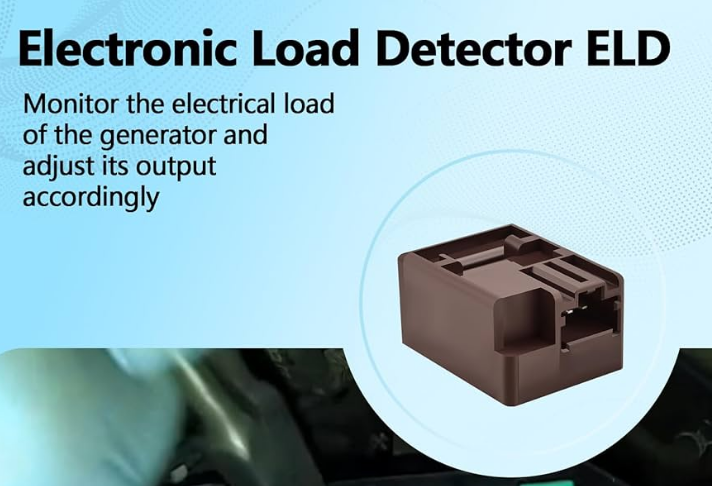
Welcome, curious minds! Today, let’s dive into the fascinating world of electronic load detectors. These devices play a crucial role in various industries, helping to measure and monitor electrical loads with precision. Whether you’re a seasoned professional or a technology enthusiast, understanding electronic load detectors can shed light on how modern electronics function. Let’s explore together!
What is an Electronic Load Detector?
An electronic load detector is a device used to monitor and regulate the amount of electrical load connected to a power source. It is essential in various industries such as electronics manufacturing, automotive, telecommunications, and aerospace. The main function of an electronic load detector is to measure the load current and voltage, and provide feedback to the power source for optimal performance.
Electronic load detectors come in different forms, ranging from simple, standalone devices to complex systems integrated into larger equipment. They are commonly used in testing and quality control processes to ensure that electronic devices operate within their specified load limits. By simulating different load conditions, electronic load detectors can help identify potential issues and improve the efficiency and reliability of electronic systems.

One of the key features of an electronic load detector is its ability to provide real-time data and analysis of the electrical load. This information is crucial for troubleshooting and diagnosing problems in electronic circuits and devices. By monitoring the load characteristics, users can make informed decisions on how to optimize the performance and lifespan of their equipment.
In addition to monitoring load current and voltage, some electronic load detectors also offer advanced features such as overcurrent protection, overvoltage protection, and thermal shutdown. These safety mechanisms help prevent damage to the power source and connected equipment in case of unexpected load conditions or faults.
Electronic load detectors are designed to be user-friendly and easy to operate. They often come with intuitive interfaces and menu-driven controls that allow users to select different load levels and parameters. Some models also have built-in memory to store test results for future reference and analysis.
Overall, electronic load detectors play a crucial role in ensuring the reliability and efficiency of electronic systems. By accurately measuring and controlling the electrical load, they help prevent damage to equipment, reduce downtime, and improve overall performance. Whether used in a laboratory setting or on the production floor, electronic load detectors are essential tools for engineers and technicians working with electronic devices and systems.
How does an Electronic Load Detector work?
Electronic Load Detectors are crucial components in electrical systems, helping to ensure the stability and efficiency of the power supply. So, how exactly do these devices work? Let’s break it down in simple terms.
First of all, it’s important to understand that an Electronic Load Detector works by monitoring the electrical load in a circuit. The load refers to the amount of electrical power that a device or system is consuming at any given time. By keeping an eye on this load, the detector can help prevent overload situations that could damage the equipment or even cause safety hazards.
One of the key elements in an Electronic Load Detector is the sensing circuit. This circuit is responsible for measuring the current flowing through the system. It does so by using a shunt resistor or a Hall-effect sensor, which can accurately detect the amount of electricity passing through. This information is then fed back to the detector, allowing it to make decisions based on the current load.
Once the load is monitored and measured, the Electronic Load Detector can take action to manage it. For example, if the load exceeds a certain threshold set by the user, the detector can signal the power supply to reduce the output voltage. This helps to prevent overheating and damage to the connected devices.
Moreover, Electronic Load Detectors often come with advanced features like adjustable current limits and short-circuit protection. These capabilities allow the detector to react quickly to sudden changes in the load, ensuring that the system remains stable and safe at all times.
Another important function of Electronic Load Detectors is to provide feedback to the user or the system controller. By displaying the current load level or triggering an alarm when an overload occurs, the detector helps to keep users informed and aware of any potential issues.
Overall, the working principle of an Electronic Load Detector is simple yet effective. By monitoring the electrical load, reacting to changes, and providing feedback, these devices play a crucial role in maintaining the integrity and reliability of electrical systems.
Applications of Electronic Load Detectors
Electronic load detectors are versatile tools that are utilized in a variety of industries for different applications. Their main function is to monitor and regulate the electrical load in a system, ensuring that it remains within safe operating limits. Let’s explore some of the common applications of electronic load detectors in various industries:
1. Power Supply Testing: One of the primary applications of electronic load detectors is in testing the output of power supplies. By simulating different load conditions, electronic load detectors can verify the performance and efficiency of power supplies, ensuring that they meet the required specifications. This is essential in industries such as electronics manufacturing, where consistent and reliable power supply is critical for the operation of electronic devices.
2. Battery Testing: Electronic load detectors are also used in the testing and analysis of batteries. By subjecting batteries to different load conditions, electronic load detectors can evaluate their capacity, efficiency, and overall performance. This is particularly important in industries such as automotive and renewable energy, where reliable battery performance is crucial for the success of the products.
3. Solar Panel Testing: Another important application of electronic load detectors is in the testing of solar panels. Solar panels generate electricity from sunlight, and their performance can vary depending on factors such as sunlight intensity and temperature. Electronic load detectors can simulate different load conditions on solar panels, allowing manufacturers to assess their efficiency and output under various scenarios. This information is crucial for optimizing the design and performance of solar panels for maximum energy production.
4. Motor Testing: Electronic load detectors are also commonly used in the testing of motors and motor controllers. By applying controlled loads to motors, electronic load detectors can evaluate their performance, efficiency, and reliability. This is essential in industries such as automotive and robotics, where motors play a crucial role in the operation of vehicles and machinery.
5. LED Testing: Electronic load detectors are frequently employed in the testing of LED lights. LED lights require stable and consistent power supply for optimal performance, and electronic load detectors can simulate different load conditions to ensure that LED lights operate efficiently and reliably. This is important in industries such as lighting design and manufacturing, where the quality and consistency of LED lights are essential for customer satisfaction.
Overall, electronic load detectors have a wide range of applications in different industries, from power supply testing to motor testing. Their ability to simulate various load conditions and monitor electrical performance makes them valuable tools for ensuring the reliability and efficiency of electrical systems and devices.
Advantages of Using Electronic Load Detectors
Electronic Load Detectors offer numerous benefits to users in various industries. These devices are designed to measure electrical signals accurately and provide real-time data that can help prevent equipment damage and improve overall efficiency. Here are some key advantages of using Electronic Load Detectors:
1. Precision Measurement: One of the main advantages of Electronic Load Detectors is their ability to provide precise measurements of electrical signals. This accuracy allows users to monitor the performance of their equipment with great detail, ensuring that any issues are detected early on and can be addressed promptly.
2. Real-Time Monitoring: Electronic Load Detectors enable real-time monitoring of electrical loads, allowing users to track changes in power consumption and respond quickly to any abnormalities. This feature can help prevent overloading of circuits, which can lead to equipment failure and potential safety hazards.
3. Increased Safety: By using Electronic Load Detectors, users can enhance the safety of their electrical systems. These devices can detect faults and anomalies in the power supply, reducing the risk of electrical fires and other accidents. With early detection capabilities, Electronic Load Detectors can help prevent costly damage to equipment and ensure a safer working environment.
4. Energy Efficiency: Another significant advantage of Electronic Load Detectors is their ability to promote energy efficiency. By accurately measuring electrical signals, these devices can identify areas where power is being wasted or consumed inefficiently. This information allows users to optimize their energy usage and reduce their overall electricity costs.
Furthermore, Electronic Load Detectors can help users meet energy efficiency regulations and standards by providing detailed data on power consumption and usage patterns. By implementing energy-saving measures based on the information provided by Electronic Load Detectors, businesses can reduce their carbon footprint and contribute to a more sustainable future.
5. Cost Savings: In addition to promoting energy efficiency, Electronic Load Detectors can lead to cost savings for businesses and individuals. By identifying areas of energy waste and inefficiency, users can make informed decisions on how to reduce their electricity bills and improve their bottom line. Over time, the savings generated by using Electronic Load Detectors can outweigh the initial investment in these devices.
6. Remote Monitoring Capabilities: Many Electronic Load Detectors come with remote monitoring capabilities, allowing users to access real-time data from anywhere with an internet connection. This feature is especially beneficial for businesses with multiple locations or off-site operations, as it enables them to monitor their electrical systems and make adjustments as needed without requiring physical presence.
In conclusion, Electronic Load Detectors offer a wide range of advantages to users looking to enhance the efficiency, safety, and cost-effectiveness of their electrical systems. By providing precise measurements, real-time monitoring, and energy-saving capabilities, these devices can help businesses and individuals optimize their energy usage and reduce their environmental impact.
Challenges and Limitations of Electronic Load Detectors
Electronic Load Detectors are essential tools for testing and measuring electronic devices, but they come with their own set of challenges and limitations. In this article, we will explore some of the common issues faced by Electronic Load Detectors users and discuss ways to overcome them.
1. Accuracy: One of the main challenges of Electronic Load Detectors is ensuring accurate measurements. Factors such as noise, temperature fluctuations, and voltage variations can affect the reliability of the readings. To overcome this challenge, users can calibrate their Electronic Load Detectors regularly and ensure they are using high-quality equipment.
2. Limited Load Range: Another limitation of Electronic Load Detectors is their limited load range. Some models may not be able to handle high power loads or low power loads, limiting their usability in certain applications. Users should carefully consider the load range of the Electronic Load Detector before making a purchase and choose a model that meets their specific needs.
3. Heat Dissipation: Electronic Load Detectors can generate a significant amount of heat when operating at high power levels for extended periods. This can lead to overheating and potentially damage the equipment. To prevent overheating, users should ensure proper ventilation and cooling systems are in place when using Electronic Load Detectors.
4. Compatibility Issues: Some Electronic Load Detectors may have compatibility issues with certain types of electronic devices or power sources. Users should carefully read the specifications of the Electronic Load Detector and ensure it is compatible with their equipment before making a purchase. Additionally, firmware updates may be required to address compatibility issues with newer devices.
5. User Interface: The user interface of Electronic Load Detectors can vary widely between models, with some offering intuitive touchscreens and advanced features, while others may have a more basic display. A complex or difficult-to-navigate user interface can be a significant limitation for users, especially those who are new to using Electronic Load Detectors. To overcome this challenge, users can familiarize themselves with the user manual and seek training or tutorials on how to operate the device effectively.
In conclusion, while Electronic Load Detectors are valuable tools for testing electronic devices, they do come with their own set of challenges and limitations. By addressing issues such as accuracy, load range, heat dissipation, compatibility, and user interface, users can maximize the effectiveness of their Electronic Load Detectors and ensure accurate and reliable measurements.
Originally posted 2026-05-25 05:10:30.