Energy-Efficient Smart Home: The Ultimate 2026 Guide
The dream of a truly intelligent, automated home is no longer science fiction. But as we look toward 2026, the conversation has shifted from mere convenience to critical efficiency. In my 15 years of consulting on and implementing home automation systems, I’ve seen the focus evolve dramatically. It’s not just about asking a speaker to turn on the lights anymore; it’s about building an interconnected ecosystem that actively works to slash your energy bills and reduce your carbon footprint. This is The Ultimate Guide to Building an Energy-Efficient Smart Home Ecosystem in 2026, designed from a practitioner’s perspective.
We’re moving beyond simple smart plugs and into a world of predictive, responsive environments. Forget the fragmented apps and incompatible devices of the past. The technology available now—and what’s just on the horizon for 2026—allows for a holistic system where your lighting, heating, appliances, and even your window shades work in concert. In this guide, we’ll cut through the marketing hype to explore the foundational components, the communication protocols that tie them together, and the advanced automation strategies that deliver real, measurable savings.
The Foundation: Core Components of a Green Smart Home
Building an energy-efficient smart home starts with choosing the right hardware. These aren’t just gadgets; they are the sensory organs and functional limbs of your home’s central nervous system. A common hurdle I’ve seen in the field is clients buying a random assortment of popular devices without a strategy, leading to a clunky, inefficient, and frustrating experience.
Smart Thermostats and Advanced HVAC Zoning
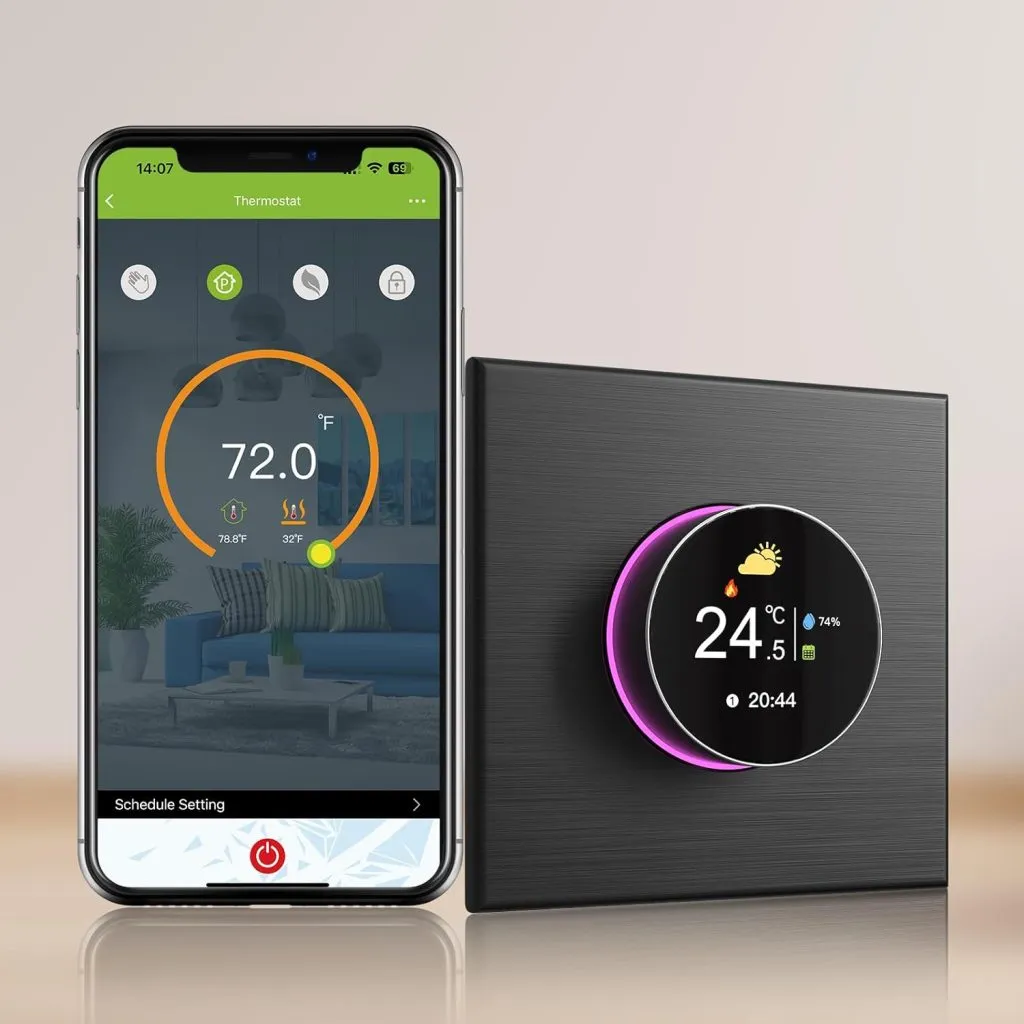
Your heating, ventilation, and air conditioning (HVAC) system is typically the largest energy consumer in your home. A smart thermostat is your single most impactful upgrade. Modern units from brands like Ecobee or Nest don’t just follow a simple schedule; they use machine learning algorithms, motion sensors, and even your phone’s location (geofencing) to learn your household’s patterns. They know when you leave for work and can set back the temperature automatically, pre-cooling or pre-heating the house just before you return for maximum comfort with minimal waste.
For a truly advanced setup, we now implement smart vents to create a dynamic HVAC zoning system. Instead of heating or cooling the entire house to one temperature, sensors in each room communicate with the thermostat and automated vents to direct conditioned air only where it’s needed. This granular control prevents energy from being wasted on unoccupied rooms—a game-changer for larger homes.
Intelligent Lighting and Automated Shading
Next to HVAC, lighting is a major energy draw. The solution is a two-pronged approach: LED smart bulbs and automated shades. Smart bulbs (like Philips Hue or LIFX) allow for precise dimming and scheduling, but their real power is unlocked when integrated with sensors. A motion sensor in a hallway ensures the light is never left on by accident. Ambient light sensors can dim indoor lights when there’s sufficient sunlight, a practice known as “daylight harvesting.”
Automated blinds and shades (from companies like Lutron or Hunter Douglas) are the secret weapon. In my experience, this is the most underrated component. In the summer, they can be automated to close on sun-facing windows during the hottest part of the day, drastically reducing solar heat gain and easing the load on your AC. In the winter, they do the opposite, opening up to let in the sun’s natural warmth.
Author’s Expert Note: When selecting smart lighting, pay close attention to the protocol. While many new options use the Matter standard over Thread, some cheaper Wi-Fi-based bulbs can crowd your network and have higher latency. For a responsive, whole-home system, a mesh network like Zigbee or a Thread-based system is technically superior.
The Brains: Choosing Your Smart Hub and Protocol
An ecosystem is only as smart as its central nervous system. This is the logic layer that allows your thermostat to talk to your window shades. In 2026, the landscape of communication protocols has finally begun to consolidate, making choices clearer for consumers but also requiring a deeper understanding of how they work.
Matter: The Universal Translator for Smart Homes
For years, the smart home was plagued by the “walled garden” problem—a Philips bulb couldn’t easily talk to a Google thermostat or an Amazon sensor. Matter, a standard backed by Apple, Google, Amazon, and hundreds of other companies, is the solution. It doesn’t replace protocols like Wi-Fi and Thread; it acts as a universal application layer on top of them. Think of it as a common language that all certified devices can speak.
In my custom installations, specifying Matter-certified devices has become non-negotiable. It ensures future-proofing and frees the client from being locked into a single brand. The underlying technology allows for multi-admin control, meaning members of a household can use their preferred app (Apple Home, Google Home, etc.) to control the same device simultaneously. This local network control also means faster response times and better privacy, as commands don’t always have to travel to a corporate server and back.
Wi-Fi, Zigbee, and Z-Wave: What Still Matters
While Matter is the future, the underlying network protocols are still critical. Zigbee and Z-Wave are low-power mesh networks. This means each device can relay signals to other devices, creating a robust and resilient network that gets stronger as you add more products. They operate on different frequencies from Wi-Fi, reducing interference. Their primary advantage is extremely low power consumption, making them ideal for battery-powered sensors.
Wi-Fi, on the other hand, is high-bandwidth but power-hungry. It’s great for devices that need to stream data, like security cameras or smart displays. A common field error I consistently encounter is homeowners loading up their network with dozens of cheap Wi-Fi smart plugs, which can lead to an unstable network and poor performance for everything else, like your laptop or TV.
Warning/Caution: Be wary of devices that rely solely on a cloud connection to function. If the manufacturer’s servers go down or they discontinue the product, your device could become a paperweight. Prioritize devices that support local control via protocols like Matter for long-term reliability and privacy.
Advanced Energy-Saving Automations and Routines
Once you have the components and the network, the real magic begins with automation. A truly smart home doesn’t wait for your command; it anticipates your needs and acts proactively to save energy. This is where you leverage data from your various sensors to create powerful “if-this-then-that” scenarios.
Geofencing for “Home” and “Away” Modes
Geofencing uses your smartphone’s GPS to determine if you are home. This is the cornerstone of energy efficiency. You can create an “Away” scene that triggers automatically when the last person leaves the house. This routine can set the thermostat to an eco-friendly temperature, turn off all lights, close the shades, and power down non-essential electronics connected to smart plugs. When the first person returns, a “Welcome Home” scene can restore everything to a comfortable state just in time.
“Time-of-Use” Energy Rate Optimization
Many utility companies are shifting to Time-of-Use (TOU) pricing, where electricity costs more during peak demand hours (e.g., 4-9 PM) and less during off-peak hours. A sophisticated smart home hub can integrate with your utility’s TOU schedule. It can then orchestrate high-consumption tasks to run during the cheapest times. For example, it can delay a dishwasher cycle, pause an electric vehicle charger, or pre-cool your home before the peak rates kick in, all without any manual intervention.
Integrating Weather Data for Proactive Adjustments
Modern smart home platforms can pull in real-time weather forecast data. This unlocks another layer of proactive efficiency. If the forecast calls for a bright, sunny afternoon, the system can pre-emptively lower the blinds to block solar gain. If a sudden cold front is predicted, it can start warming the house slightly ahead of time to avoid a sudden, high-energy demand on the furnace. It’s about making small, intelligent adjustments throughout the day based on external conditions.
Smart Home Protocols: A Head-to-Head Comparison
Choosing the right technology backbone is crucial for building a reliable system. In my years of consulting, I’ve seen expensive projects fail due to poor protocol choices. Here’s an objective breakdown of the key players in 2026 to help you make an informed decision for your energy-efficient smart home.
| Feature | Matter (over Thread/Wi-Fi) | Zigbee | Z-Wave | Wi-Fi |
|---|---|---|---|---|
| Interoperability | Excellent (Universal Standard) | Good (within Zigbee ecosystem) | Excellent (within Z-Wave ecosystem) | Poor (Brand-specific) |
| Power Consumption | Very Low (for Thread devices) | Very Low | Very Low | High |
| Network Type | Mesh (Thread) / Star (Wi-Fi) | Mesh | Mesh | Star (Hub and Spoke) |
| Reliability | High (Self-healing mesh) | High (Self-healing mesh) | Very High (Regulated frequency) | Moderate (Prone to congestion) |
| Best For | Unified control, future-proofing | Lighting, battery-powered sensors | Security systems, locks, sensors | Cameras, smart speakers, displays |
Expert Tips for Maximizing Your Ecosystem’s Efficiency
Having the right gear is only half the battle. How you configure and maintain it makes all the difference. Here are some pro-level tips I share with my clients to squeeze every last drop of efficiency out of their smart home investment.
- Start with an Energy Audit: Before you buy a single device, understand where your energy is actually going. Use a whole-home energy monitor like Sense or check your utility’s portal. This data-driven approach ensures you invest in solutions that tackle your biggest energy hogs first.
- Aggressively Target “Energy Vampires”: Use smart plugs with energy monitoring to identify devices that draw significant power even when “off” (like entertainment centers or old chargers). Create a “Goodnight” routine that cuts power to these vampires completely.
- Create Seasonal Routines: Your home’s energy needs change dramatically between summer and winter. Don’t use a “one-size-fits-all” automation schedule. Build distinct summer and winter modes that adjust your thermostat setpoints, lighting schedules, and window shade automations accordingly.
- Calibrate Your Sensors: Don’t just place your temperature and light sensors anywhere. A temperature sensor placed in direct sunlight will give false readings and make your AC work overtime. An ambient light sensor blocked by furniture is useless. Strategic placement is key to accurate data and effective automation.
- Integrate Your Solar and Battery Systems: If you have solar panels or a home battery, ensure your smart hub can access their data. A truly intelligent system will prioritize running appliances on free solar power or stored battery energy before ever pulling from the grid during peak hours.
Frequently Asked Questions about Building an Energy-Efficient Smart Home
How much money can I realistically save with a smart home?
Savings vary based on climate, home size, and utility rates, but many households see a 10-25% reduction in their HVAC and lighting energy bills. In my experience, a well-configured system focused on HVAC, lighting, and water heating often pays for itself within 3-5 years.
Is building a smart home ecosystem expensive in 2026?
It can be, but you don’t have to do it all at once. Start with the most impactful item, like a smart thermostat, which costs between $150-$250. You can gradually add smart lighting, plugs, and sensors over time as your budget allows.
What is the best “starter kit” for energy efficiency?
I always recommend starting with a high-quality smart thermostat and a few smart plugs for your biggest “energy vampire” electronics. This combination provides the most significant and immediate return on investment in energy savings.
Can I install these devices myself?
Many devices like smart plugs, bulbs, and even some thermostats are designed for DIY installation. However, for more complex systems involving electrical wiring, like smart switches or integrating with your main panel, I strongly recommend hiring a qualified electrician.
Is my smart home secure from hackers?
Security is a valid concern. To protect yourself, always buy devices from reputable brands, change default passwords immediately, and enable two-factor authentication on your accounts. Using protocols like Matter, which prioritize local control, also reduces your exposure to internet-based threats.
Does the Matter standard mean all my old devices are obsolete?
Not necessarily. Many existing devices using Zigbee or Z-Wave can be connected to a Matter ecosystem via a compatible bridge or hub. Manufacturers are also pushing firmware updates to make older Wi-Fi devices Matter-compliant.
What’s more important: the device or the app/platform?
They are equally important. Great hardware with a terrible, slow, or unsupported app is useless. Choose a robust, well-supported platform like Apple Home, Google Home, or Home Assistant that you find intuitive and that works with a wide range of devices.
Do I need a strong Wi-Fi network?
Yes. A reliable home network is the foundation of any smart home. If your Wi-Fi is spotty, invest in a modern mesh Wi-Fi system before you start adding dozens of connected devices to ensure everything runs smoothly.
I trust this detailed exploration provides a solid foundation for anyone embarking on The Ultimate Guide to Building an Energy-Efficient Smart Home Ecosystem in 2026. It’s a journey of continuous improvement and optimization.
The key takeaway is to think strategically. Plan your ecosystem, prioritize devices that tackle your biggest energy expenditures, and choose a reliable, future-proof protocol like Matter. By doing so, you’re not just adding convenience; you’re making a smart, long-term investment in your home’s value, comfort, and sustainability. Your journey to a greener, more intelligent home starts now.
Originally posted 2026-05-08 02:35:02.