Top 10 CGL Insurance Providers for Small Business 2026

Navigating the world of commercial insurance can feel like trying to read a map in a foreign language. For small business owners, choosing the right coverage isn’t just a box to tick—it’s a critical shield against financial ruin. In my 15+ years as an industry consultant, I’ve seen firsthand how the right Commercial General Liability (CGL) policy can save a company, and how the wrong one can accelerate its demise. This article is your guide to the Top 10 Commercial General Liability Insurance Providers for Small Businesses in 2026, written from a practitioner’s perspective.
We’re not just going to list names. We will dissect what makes these providers stand out, where their potential weaknesses lie, and who they are truly best for. Forget the generic sales pitches. This is an insider’s look, designed to empower you with the knowledge to make an informed, strategic decision for the future of your business. We will explore the nuances of their policies, the efficiency of their claims processes, and the overall value they offer to entrepreneurs like you.
What is Commercial General Liability Insurance, Really?
Most articles will give you a dry, textbook definition of CGL insurance. They’ll say it covers bodily injury, property damage, and personal and advertising injury. While technically correct, this tells you nothing about its real-world function. In practice, CGL is your frontline defense against the everyday risks of doing business.
Think of it as a financial backstop for a lawsuit when a customer slips and falls in your store, an employee accidentally damages a client’s property, or you’re accused of libel in an advertisement. It’s the policy that covers your legal defense costs—which can be astronomical—and potential settlements or judgments.
A Practitioner’s View: Beyond the Basics
A common hurdle I’ve seen in the field is business owners thinking their CGL policy is an all-encompassing safety net. It’s not. It specifically excludes things like professional errors (covered by E&O insurance), employee injuries (workers’ comp), and cyber-attacks (cyber liability). The key is understanding its scope.
For example, a standard CGL policy protects you from third-party claims. It does not cover damage to your own property or your own financial losses from business interruption. That’s why it’s often bundled into a Business Owner’s Policy (BOP), which combines general liability, commercial property, and business income insurance into one package.
Occurrence vs. Claims-Made Policies: A Critical Distinction
This is where many small businesses make a costly mistake. An “occurrence” policy covers incidents that happen during the policy period, regardless of when the claim is filed. A “claims-made” policy only covers claims that are made while the policy is active.
In my experience, most small businesses, especially in retail, construction, or food service, are better served by an occurrence-based policy. It provides long-term certainty. Claims-made policies are more common in professional services (like consulting or medicine) and require purchasing “tail coverage” if you ever switch providers or retire, which can be a significant hidden cost.
Author’s Expert Note: The rise of data-driven underwriting is changing how insurers price these policies. Insurtech companies are leveraging real-time data to offer more dynamic pricing, but always read the fine print. An attractively low premium on a claims-made policy might hide significant future financial obligations if you don’t maintain continuous coverage.

Our Methodology: How We Ranked the Top Providers for 2026
Ranking insurance providers isn’t about picking the ones with the flashiest commercials. My evaluation framework is built on the same criteria I use when advising my own clients. It’s a blend of financial stability, operational excellence, and real-world usability for the modern small business owner.
Financial Strength and Stability
An insurance policy is only as good as the company’s ability to pay a claim. We prioritized providers with high ratings from independent agencies like A.M. Best (A- or better) and Standard & Poor’s. This is a non-negotiable data point; a low-cost policy from a financially shaky carrier is a massive, unacceptable risk.
Claims Processing and Customer Service
When a crisis hits, the last thing you need is to battle an automated phone tree or an unresponsive agent. We analyzed customer satisfaction data from J.D. Power and the National Association of Insurance Commissioners (NAIC) complaint index. A provider’s reputation for fair and prompt claims handling is a cornerstone of our rankings. In my consulting work, I’ve seen a smooth claims process literally keep a business afloat after a major incident.
Policy Customization and Digital Experience
Small businesses are not one-size-fits-all, and their insurance shouldn’t be either. We favored providers offering flexible endorsements and the ability to easily bundle coverage into a BOP. Furthermore, in 2026, a seamless digital experience is essential. The ability to get a quote, manage your policy, and file a claim online is a huge factor for busy entrepreneurs.
The Top 10 Commercial General Liability Insurance Providers for 2026
Here is my breakdown of the top CGL providers for small businesses heading into 2026. This analysis is based on decades of industry experience, focusing on what truly matters when your business is on the line.
The Hartford: Best Overall for Main Street Businesses
The Hartford has been a titan in the small business space for a reason. Their Business Owner’s Policy is one of the most comprehensive and customizable on the market. In my experience, their claims process is exceptionally well-managed, a crucial factor when you’re under stress. They excel at serving traditional brick-and-mortar businesses like retailers, restaurants, and local service providers.
Their main drawback can be a slightly higher premium compared to some digital-first competitors. However, the premium often reflects broader base coverage and superior service. You’re paying for reliability.
Next Insurance: Best for Digital-First Experience
Next is an insurtech that has fundamentally changed the game. Their entirely online platform allows you to get a quote and purchase a policy in minutes. This is ideal for sole proprietors, freelancers, and modern small businesses that value speed and convenience. Their policies are tailored to specific professions, from personal trainers to contractors.
Warning/Caution: The convenience of a digital-first model can sometimes mean less hands-on guidance. If you have a complex business with unique risks, you might miss the nuanced advice of a dedicated agent that traditional carriers provide.
Hiscox: Best for Professional Services
Hiscox specializes in professional services and consulting firms. They deeply understand the risks associated with fields like marketing, IT, and business consulting, offering robust E&O (Errors & Omissions) coverage that integrates seamlessly with their CGL policy. If your business provides advice for a fee, Hiscox should be on your shortlist. I often recommend them to my tech and creative agency clients.
Chubb: Best for High-Value Businesses
Chubb is the gold standard for businesses with significant assets or complex risk profiles. While they serve businesses of all sizes, they truly shine in providing premium, high-limit coverage. Their risk engineering services are top-tier, helping clients proactively mitigate potential liabilities. For businesses in manufacturing, high-end retail, or with international exposure, Chubb’s expertise is unmatched.
Progressive Commercial: Best for Commercial Auto Integration
If your business relies on vehicles, Progressive is a formidable choice. They are, of course, a leader in auto insurance, and their ability to seamlessly bundle commercial auto with a CGL or BOP policy is a major advantage. Their pricing is competitive, and their online tools are user-friendly, making them a great option for contractors, delivery services, and food trucks.
Nationwide: Best for Industry-Specific Coverage
Nationwide has invested heavily in developing tailored insurance solutions for specific industries, such as agriculture, food and beverage, and automotive services. Their agents are often well-versed in the unique risks of these sectors. This specialization means you’re more likely to get a policy that truly fits your operational needs, with relevant endorsements built-in.
Travelers: Best for Construction and Contractors
Travelers possesses deep expertise in the construction industry. They understand the complex world of risk transfer, certificates of insurance (COIs), and worksite liability. In my years consulting for contractors, Travelers has consistently been a reliable partner, offering policies that meet stringent contractual requirements. Their risk control resources are also a significant value-add.
CNA: Best for Healthcare and Non-Profits
CNA has carved out a strong niche serving the healthcare and non-profit sectors. They understand the specific liability risks these organizations face, from patient privacy to volunteer-related incidents. Their policies are designed with these unique exposures in mind, offering a level of specialization that generalist carriers often can’t match.
Liberty Mutual: Best for Scalable Coverage
Liberty Mutual is an excellent partner for businesses with growth ambitions. They can effectively service a company from its early startup days to becoming a large enterprise. Their ability to scale coverage and provide sophisticated risk management services as your business evolves is a key strength. This makes them a great long-term partner.
Thimble: Best for On-Demand and Short-Term Coverage
Thimble represents the new wave of on-demand insurance. If you’re a freelancer, event vendor, or handyman who needs coverage for a specific job, project, or even just for an hour, Thimble is revolutionary. You can get a policy via their app in under a minute. This flexibility is perfect for the gig economy and businesses with fluctuating operational needs, though it may not be the best fit for businesses requiring continuous annual coverage.
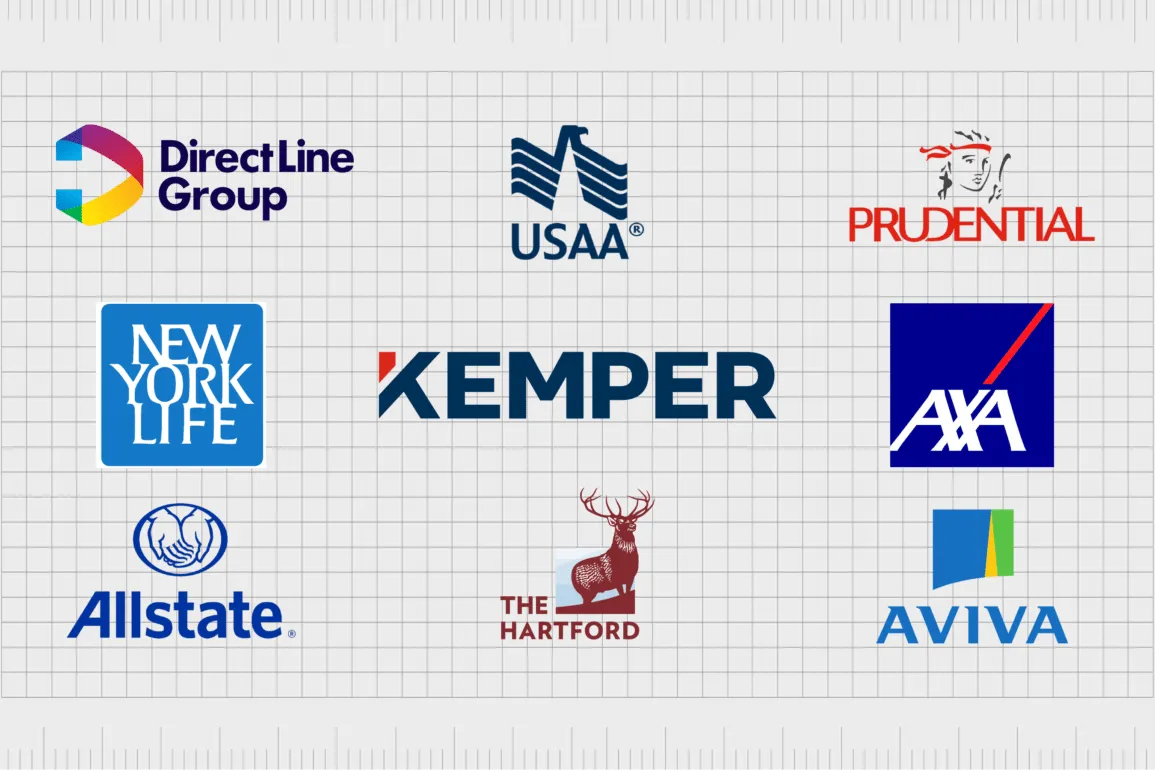
Comparing the Top CGL Insurance Providers of 2026
To give you a clearer picture, I’ve created a table that distills the key attributes of our top providers. Use this as a starting point to identify which carriers align best with your business profile. Remember, getting actual quotes is crucial, as pricing is highly dependent on your specific operations. One of the key factors affecting commercial general liability insurance costs for small businesses is your industry’s risk profile.
| Provider | A.M. Best Rating | Best For | Digital Experience | Key Strength |
|---|---|---|---|---|
| The Hartford | A+ (Superior) | Main Street Businesses | Very Good | Comprehensive BOP & Claims |
| Next Insurance | A- (Excellent) | Sole Proprietors & Freelancers | Excellent | Speed & Convenience |
| Hiscox | A (Excellent) | Professional Services | Excellent | Tailored E&O Coverage |
| Chubb | A++ (Superior) | High-Value Assets | Good | Superior Coverage & Service |
| Progressive | A+ (Superior) | Businesses with Vehicles | Very Good | Seamless Auto/CGL Bundling |
| Nationwide | A+ (Superior) | Niche Industries | Good | Industry Specialization |
| Travelers | A++ (Superior) | Construction & Contractors | Good | Deep Construction Expertise |
| CNA | A (Excellent) | Healthcare & Non-Profits | Good | Sector-Specific Risk Knowledge |
Expert Tips for Securing the Best CGL Coverage
Choosing a provider is only half the battle. Securing the right policy requires diligence. Here are some pro tips from my years in the trenches.
- Review Your Contracts: Don’t wait until you’ve signed a client contract to check your insurance. Many contracts require specific liability limits or endorsements. Review these requirements with your agent before purchasing a policy to ensure you’re compliant.
- Document Everything: Implement clear safety and operational protocols for your business. Good documentation can not only prevent claims but also demonstrate your commitment to risk management to underwriters, potentially lowering your premiums.
- Understand the “Duty to Defend” Clause: Most CGL policies include a “duty to defend” provision, meaning the insurer must defend you against a lawsuit even if it’s baseless. This is one of the most valuable aspects of a CGL policy, as legal defense costs can be crippling.
- Don’t Just Shop on Price: The cheapest policy is rarely the best. An uncovered claim of $50,000 makes saving $500 on a premium seem trivial. Focus on the value of the coverage and the financial strength of the carrier. Learning how to get the best business liability insurance quotes in 2026 involves balancing cost with comprehensive protection.
- Perform an Annual Review: Your business isn’t static, and neither are its risks. Review your CGL policy annually with your agent. Have you launched a new product? Expanded to a new location? Hired more employees? These changes may require policy adjustments. This annual review is just as important as building robust internal systems, like in The Ultimate Guide to Building an Energy-Efficient Smart Home Ecosystem in 2026.
Frequently Asked Questions about Top 10 Commercial General Liability Insurance Providers for Small Businesses in 2026
What is the average cost of CGL insurance for a small business?
There’s no single answer, as costs vary widely by industry, location, revenue, and claims history. However, many small businesses can expect to pay between $400 and $1,200 annually for a standard $1 million/$2 million CGL policy.
Do I need CGL insurance if I have an LLC?
Yes, absolutely. An LLC protects your personal assets from business debts, but it does not protect the business itself from lawsuits. CGL insurance is what protects the business’s assets by covering legal costs and settlements from liability claims.
What’s the difference between General Liability and Professional Liability?
General Liability covers physical risks like bodily injury and property damage. Professional Liability (or E&O) covers financial losses to a third party resulting from your professional mistakes, negligence, or failure to perform your services.
Can I get CGL insurance without a physical business location?
Yes. Even home-based or online businesses need CGL insurance. You still face risks of advertising injury (like copyright infringement) or property damage if you meet clients off-site or deliver products.
What do the limits “$1 million / $2 million” mean on a policy?
This is a common policy structure. The “$1 million” is the “per occurrence” limit, the maximum amount the insurer will pay for a single incident. The “$2 million” is the “general aggregate” limit, the total maximum the insurer will pay for all claims during the policy year.
Is a Business Owner’s Policy (BOP) better than a standalone CGL policy?
For most small businesses, yes. A BOP conveniently bundles General Liability, Commercial Property, and Business Interruption insurance, often at a lower cost than buying each policy separately. It provides more comprehensive protection.
How quickly can I get a CGL policy?
With modern insurtech providers like Next or Thimble, you can often get a policy online in a matter of minutes. Traditional carriers might take a few days, especially if your business has complex risks that require manual underwriting.
What happens if a claim exceeds my policy limit?
If a judgment or settlement exceeds your policy limit, your business is responsible for paying the difference out of pocket. This is why it’s critical to choose adequate limits. You can also purchase a commercial umbrella policy for extra protection.
Conclusion
Selecting from the Top 10 Commercial General Liability Insurance Providers for Small Businesses in 2026 is a foundational decision for your company’s long-term health. The right partner does more than just sell you a policy; they provide a promise of support during your most challenging moments. From the all-around excellence of The Hartford to the digital agility of Next Insurance, the provider you choose should align with your industry, risk profile, and operational style.
Use this guide as your roadmap. Evaluate your specific needs, don’t be afraid to ask tough questions, and always prioritize value over the lowest price. By investing the time to secure the right CGL coverage now, you are building a more resilient and secure future for the business you’ve worked so hard to create. Take the next step by requesting quotes from your top 2-3 choices to see how they can protect your venture.
Originally posted 2026-05-04 10:01:45.