Electronic Logging Device
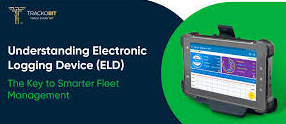
Introduction to Electronic Logging Device
Electronic Logging Devices (ELDs) are a technological tool designed to help truck drivers and fleet managers keep track of their hours of service (HOS) in compliance with regulations set by the Federal Motor Carrier Safety Administration (FMCSA). These devices are connected to the vehicle’s engine to automatically record driving time, monitor engine hours, miles driven, and location data. The main purpose of ELDs is to improve road safety by ensuring that drivers are following HOS regulations and getting enough rest between shifts.
ELDs have become mandatory for commercial motor vehicles in the United States since the ELD mandate took effect in December 2017. This mandate requires all drivers who are currently required to keep records of duty status to use an ELD to record their HOS. The use of ELDs replaces the traditional paper logbooks that drivers used to manually record their hours, which were vulnerable to inaccuracies and fraudulent entries.
One of the key benefits of ELDs is their ability to accurately track a driver’s hours in real-time, eliminating the need for manual logging and reducing the chances of errors. With an ELD, drivers can easily see how much time they have left to drive before reaching their maximum allowed hours, helping them avoid violations and penalties for exceeding their HOS limits.

ELDs also offer benefits for fleet managers and companies, as they provide real-time data on driver performance, vehicle location, and maintenance needs. This data can help companies optimize routes, improve logistics, and ensure that their drivers are operating safely and efficiently. Additionally, ELDs can streamline administrative tasks by automatically generating reports and logs that can be easily accessed and shared with authorities during inspections.
While some drivers and companies were initially hesitant about the transition to ELDs due to concerns about privacy and data security, the FMCSA has implemented strict rules to protect driver information and ensure that ELDs comply with privacy regulations. ELDs are designed to only track and record necessary data related to HOS and do not monitor personal activities or locations outside of work hours.
In conclusion, ELDs have become an essential tool for the trucking industry to improve safety, compliance, and efficiency. By automating the process of HOS recording and providing real-time data insights, ELDs help drivers and fleet managers stay on top of regulations, prevent violations, and optimize their operations. As technology continues to advance, ELDs will play an increasingly important role in shaping the future of trucking and transportation.
Benefits of Implementing Electronic Logging Devices
Electronic Logging Devices (ELDs) have become a popular choice for fleet management in recent years, offering a wide range of benefits for both drivers and companies. Here are some of the key advantages of implementing ELDs:
1. Improved Compliance: One of the main benefits of using ELDs is improved compliance with Hours of Service (HOS) regulations. By automatically tracking driving time, ELDs provide accurate data that helps drivers stay within the legal limits for driving hours. This reduces the risk of costly fines and penalties for non-compliance, giving companies peace of mind that their drivers are operating within the law.
2. Enhanced Safety: ELDs play a crucial role in enhancing safety on the roads. By monitoring driver behavior and enforcing HOS regulations, ELDs help prevent driver fatigue and reduce the risk of accidents caused by tired or distracted drivers. In the event of an accident, ELDs provide valuable data that can be used to investigate the cause and determine liability. This not only helps protect drivers and other road users but also gives companies the tools they need to improve safety practices and reduce risk.
When drivers are less worried about violating the time limits and more focus on the road, the safety of all people involved increases. In addition to recording driving time, ELDs can also track other important data such as vehicle location, engine status, and speed. This information can be used to identify unsafe driving behaviors, such as speeding or harsh braking, and provide feedback to drivers to help them improve their performance on the road.
Moreover, in the event of an accident, ELDs can provide valuable evidence that can be used to determine the cause of the crash and assign liability. This can help protect drivers from false claims and ensure that the responsible party is held accountable for their actions. By enhancing safety and providing valuable data for accident investigation, ELDs are a valuable tool for companies looking to reduce risk and protect their drivers.
3. Increased Efficiency: ELDs also offer significant benefits in terms of efficiency. By automating the process of tracking driving time and managing HOS compliance, ELDs help companies optimize their operations and maximize the productivity of their drivers. With real-time data on driver availability and status, companies can better plan routes, assign loads, and schedule deliveries, ensuring that their drivers are always working at peak efficiency.
Additionally, ELDs can streamline administrative tasks such as logbook audits and recordkeeping, saving time and reducing the risk of errors. By eliminating the need for manual recordkeeping and paperwork, ELDs help simplify the compliance process and ensure that companies are always prepared for an audit. This not only saves time and reduces administrative burden but also helps companies avoid costly fines and penalties for non-compliance.
In conclusion, Electronic Logging Devices offer a wide range of benefits for companies looking to improve compliance, enhance safety, and increase efficiency. By automating the process of tracking driving time and managing HOS compliance, ELDs help companies optimize their operations and ensure that their drivers are operating safely and efficiently. With the valuable data provided by ELDs, companies can improve safety practices, reduce risk, and protect their drivers from false claims. Overall, ELDs are a valuable tool for companies looking to stay competitive in the ever-evolving transportation industry.
Compliance Regulations for Electronic Logging Devices
Electronic Logging Devices (ELDs) are crucial tools for ensuring compliance with regulations set by the Federal Motor Carrier Safety Administration (FMCSA). These regulations are in place to promote safety on the roads by monitoring and enforcing Hours of Service (HOS) regulations for commercial drivers. ELDs are designed to automatically record a driver’s driving time and Hours of Service, making it easier for both drivers and carriers to stay compliant.
One of the key compliance regulations for Electronic Logging Devices is the ELD Mandate, which requires commercial motor vehicle drivers to use ELDs to record their hours of service. The mandate was implemented to improve compliance with HOS regulations, reduce the paperwork burden on drivers, and ultimately enhance safety on the roads. The mandate applies to most commercial motor vehicle drivers who are required to maintain records of duty status (RODS) and is enforced by the FMCSA.
In order to comply with the ELD Mandate, drivers and carriers must ensure that their ELD system meets the technical specifications outlined by the FMCSA. This includes requirements such as automatic recording of driving time, synchronization with the vehicle’s engine, and integration with the vehicle’s communication system. Additionally, drivers must be trained on how to properly use and operate the ELD system to accurately record their hours of service.
Another important compliance regulation for ELDs is the HOS regulations themselves. ELDs are designed to help drivers stay compliant with HOS regulations by automatically recording their driving time and alerting them when they are approaching their maximum hours of service. This helps prevent driver fatigue and improves safety on the roads by ensuring that drivers are taking the necessary rest breaks.
In addition to the ELD Mandate and HOS regulations, there are also regulations surrounding the use of ELDs for data transfer and inspection. According to FMCSA regulations, drivers must be able to transfer their ELD data to law enforcement officers during roadside inspections. This data transfer can be done through various methods, such as email, Bluetooth, or web services. Additionally, carriers are required to keep ELD records for a minimum of six months and must provide them to the FMCSA or other authorized parties upon request.
Overall, compliance with regulations for Electronic Logging Devices is essential for promoting safety on the roads and ensuring that drivers and carriers are operating within the law. By following the ELD Mandate, adhering to HOS regulations, and complying with data transfer and inspection requirements, drivers and carriers can help prevent accidents, reduce violations, and improve overall road safety.
Features to Look for When Choosing an Electronic Logging Device
When it comes to choosing an Electronic Logging Device (ELD) for your trucking business, there are several key features that you should consider to ensure that you are getting the most value for your investment. Here are some important features to look for when selecting an ELD:
1. Compliance: One of the most crucial features to consider when choosing an ELD is its compliance with the Federal Motor Carrier Safety Administration (FMCSA) regulations. Make sure that the ELD you choose is on the FMCSA’s list of registered devices to avoid any potential fines or penalties for non-compliance.
2. Ease of Use: Another important feature to look for in an ELD is its user-friendliness. The device should be easy to install and operate, with an intuitive interface that makes it simple for drivers to log their hours of service accurately. Look for features such as automatic recording of driving time, easy editing capabilities, and clear data display.
3. Connectivity: It is essential to choose an ELD that offers reliable connectivity options. The device should be able to seamlessly communicate with your truck’s engine and other systems to accurately track driving hours and monitor vehicle performance. Look for ELDs that offer Bluetooth, WiFi, or cellular connectivity for real-time data transmission.
4. Advanced Reporting Capabilities: In addition to basic compliance and tracking features, advanced reporting capabilities are essential for gaining valuable insights into your fleet’s operations. Look for an ELD that offers detailed reports on hours of service, vehicle usage, driver behavior, and fuel efficiency. These reports can help you identify areas for improvement, optimize route planning, and ensure regulatory compliance.
5. Integration with Fleet Management Software: To streamline your operations and improve efficiency, choose an ELD that can integrate with your existing fleet management software. This will allow you to access all your data in one place, make data analysis easier, and automate tasks such as dispatching and routing.
6. Scalability: As your business grows, you may need to add more vehicles to your fleet or expand your operations. Choose an ELD that can easily scale with your business, allowing you to add new devices and drivers without any hassle. Look for ELDs that offer flexible pricing plans and additional features for larger fleets.
7. Customer Support: Finally, consider the level of customer support offered by the ELD provider. In case you encounter any issues or need assistance with the device, it is important to have access to responsive customer support that can help you resolve any problems quickly. Look for ELD providers that offer 24/7 support and training resources for your drivers.
By considering these key features when choosing an Electronic Logging Device for your trucking business, you can ensure that you are selecting a reliable and efficient solution that meets your needs and helps you stay compliant with regulations. Choose an ELD that offers compliance, ease of use, connectivity, advanced reporting capabilities, integration with fleet management software, scalability, and excellent customer support to optimize your fleet operations.
The Future of Electronic Logging Devices in Fleet Management
Electronic Logging Devices (ELDs) have made a significant impact on fleet management over the past few years. As technology continues to advance, the future of ELDs looks promising for fleet managers and drivers alike. Here are five trends that will shape the future of ELDs in fleet management:
1. Integration with Artificial Intelligence (AI): One of the most exciting developments in ELD technology is the integration of AI. AI-powered ELDs can analyze data in real-time to provide valuable insights to fleet managers. These insights can help fleet managers make informed decisions about route planning, driver behavior, and maintenance scheduling. By leveraging AI, ELDs can help fleets operate more efficiently and effectively.
2. Predictive Maintenance: Another trend in ELD technology is the use of predictive maintenance algorithms. ELDs can track vehicle health indicators and predict when maintenance is required. By proactively scheduling maintenance based on data from ELDs, fleets can minimize downtime and reduce repair costs. This trend will continue to grow as ELDs become more sophisticated in analyzing vehicle data.
3. Enhanced Connectivity: As the Internet of Things (IoT) continues to expand, ELDs will become more connected than ever before. ELDs can already communicate with other onboard systems, such as GPS and engine diagnostics. In the future, ELDs may be able to communicate with other vehicles on the road and with infrastructure, such as traffic signals. This enhanced connectivity will allow fleets to operate more efficiently and safely.
4. Improved User Experience: User experience is an important factor in the adoption of any technology. As ELD technology continues to evolve, the focus will be on improving the user experience for both drivers and fleet managers. ELDs will become more user-friendly with intuitive interfaces and customizable features. This will not only increase the adoption of ELDs but also enhance the efficiency of fleet operations.
5. Emphasis on Data Security and Privacy: With the increasing amount of data collected by ELDs, data security and privacy will be a top priority for fleet managers. ELD manufacturers will need to ensure that data is encrypted and stored securely to protect against cyber threats. Additionally, fleet managers will need to implement strict data privacy policies to protect the personal information of drivers. As ELD technology continues to advance, the focus on data security and privacy will become even more critical for fleet managers.
Originally posted 2026-05-26 06:41:24.